


Importing stainless steel pressure cookers for wholesale or distribution can be a profitable business, and comes with significant risks. For B2B buyers, including distributors, kitchenware brands, and food service suppliers, a single mistake in sourcing can lead to product failures, shipment delays, or even serious safety issues.
Unlike ordinary cookware, pressure cookers operate under high pressure and temperature. This makes product safety, quality consistency, and supplier reliability critical factors in the sourcing process. Many import problems are not caused by logistics or market demand, but by poor decisions made at the supplier selection stage.
In this guide, Linkton breaks down the top 5 risks when importing pressure cookers and explains how to avoid them—so you can protect your business and improve long-term profitability.
Product Quality and Safety Risks
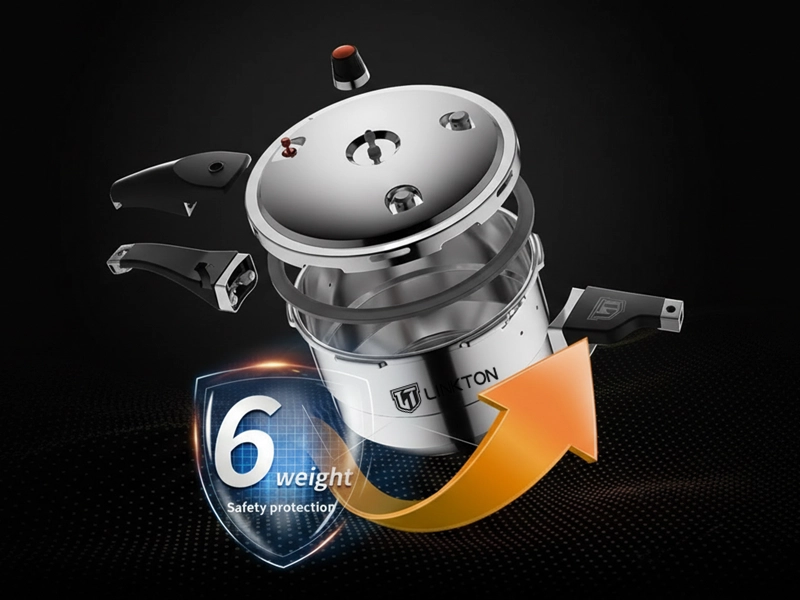
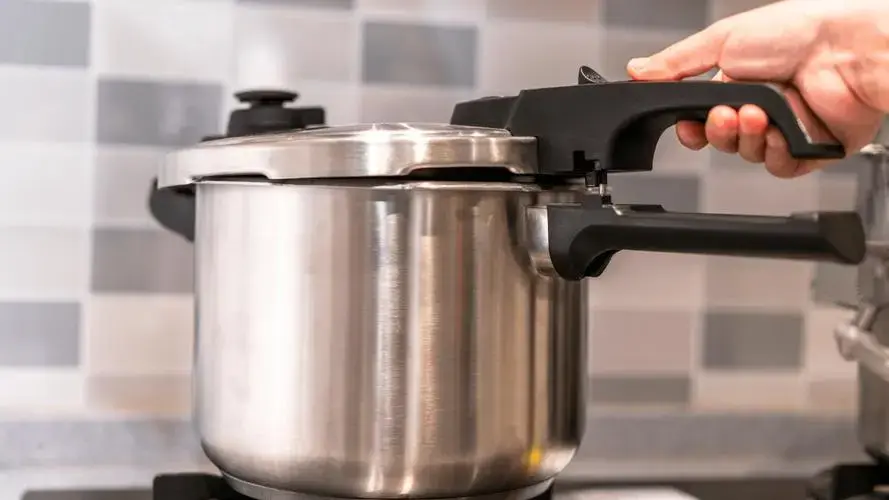
The biggest risk when importing commercial pressure cookers is inconsistent quality and unsafe design. Common issues include weak sealing systems, unreliable pressure valves, and low-grade materials.
These problems can lead to customer complaints, returns, or even safety incidents—damaging your brand reputation and increasing liability.
How to avoid it:
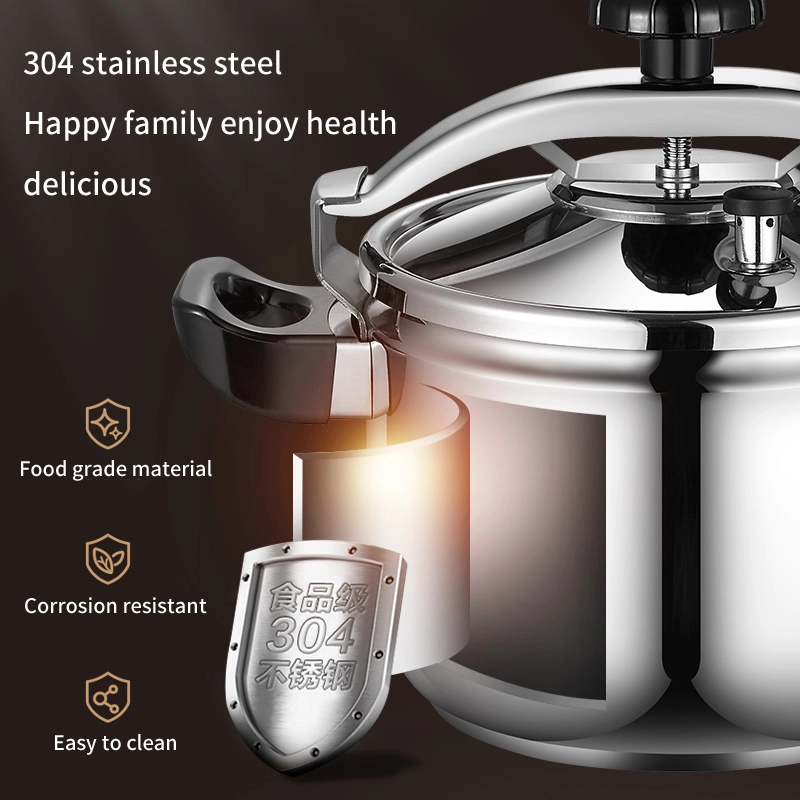
- Choose food-grade materials such as 304 stainless steel
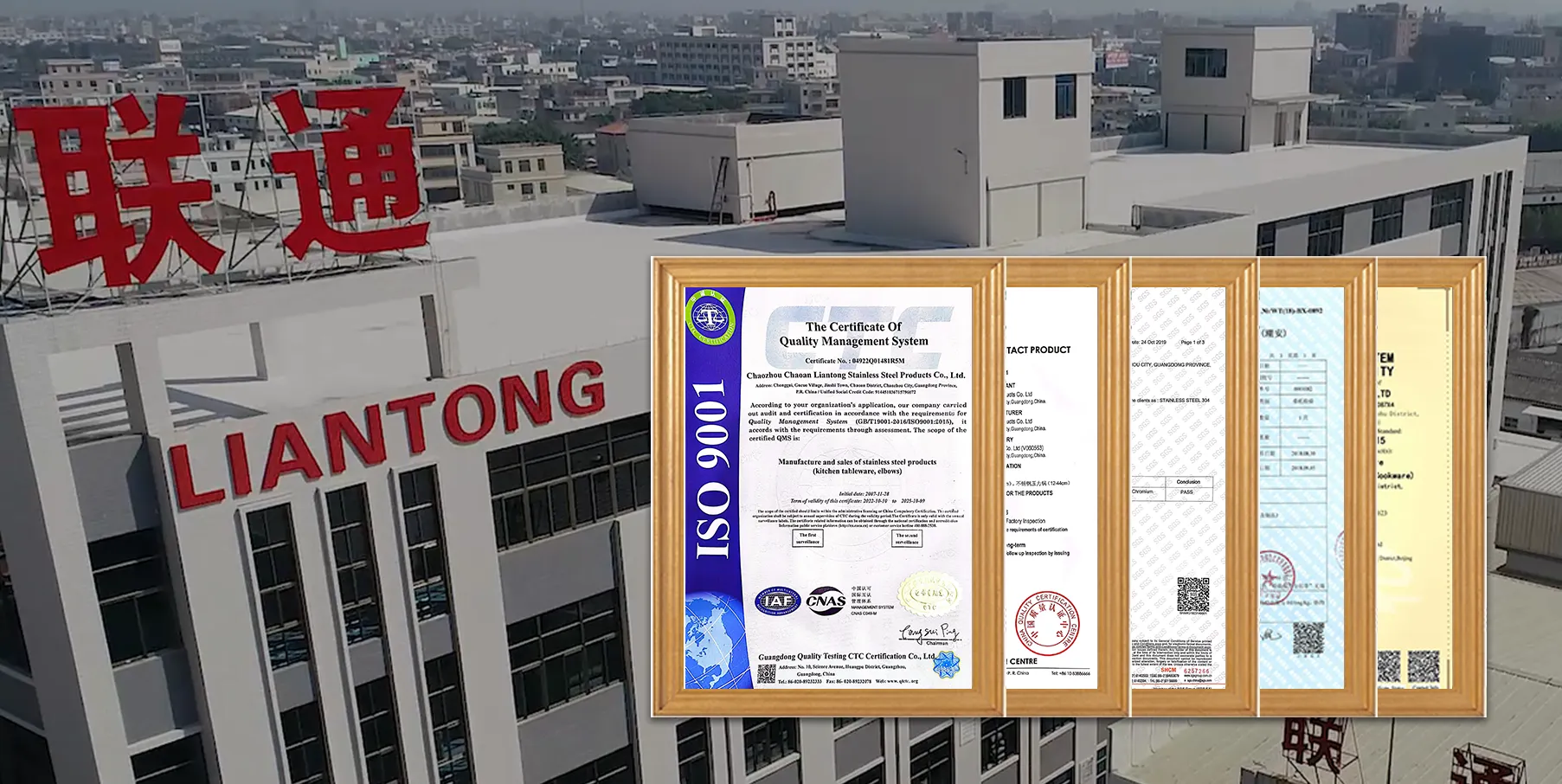
- Verify pressure testing and safety certifications
- Ask for a sample to evaluate the pressure cooker safety system design
Choosing the Wrong Supplier Type
One of the most overlooked risks is working with the wrong supplier. Many buyers unknowingly source from trading companies instead of a pressure cooker manufacturer.
Trading companies may offer flexibility, but they often lack direct control over production, leading to inconsistent quality and limited customization.
How to avoid it:
- Work with a verified stainless steel pressure cooker manufacturer
- Confirm factory capabilities and production lines
- Ensure support for OEM and ODM pressure cooker customization
Certification and Compliance Issues
Different markets have strict requirements for pressure cooker safety and certification. Products that meet factory standards may still fail import regulations.
For example, European markets require CE compliance, while Latin America and the Middle East may have their own standards.
How to avoid it:
- Confirm certification requirements before ordering
- Request test reports and compliance documents
- Work with suppliers experienced in exporting to your target market
Delivery Delays and Supply Chain Instability
Late delivery can disrupt your entire sales plan, especially during peak seasons. Delays are often caused by poor production planning or unstable supply chains.
How to avoid it:
- Choose suppliers with stable production capacity
- Confirm lead times in advance
- Prioritize direct factory sourcing for better control
Hidden Costs and Unclear Pricing Structure
Some suppliers offer low initial quotes but include hidden costs such as packaging fees, tooling charges, or fluctuating shipping costs.
How to avoid it:
- Request a full cost breakdown (FOB / CIF)
- Clarify MOQ and customization costs
- Calculate the total landed cost before placing orders
Importing Stainless Steel Pressure Cookers Risk Summary
| Risk Type | Common Issue | Impact | Solution |
|---|---|---|---|
| Quality Risk | Low-grade materials | Returns/safety issues | Strict testing & QC |
| Supplier Risk | Non-factory sourcing | Inconsistent batches | Choose manufacturers |
| Compliance Risk | Missing certifications | Customs rejection | Verify standards |
| Delivery Risk | Production delays | Lost sales | Stable suppliers |
| Cost Risk | Hidden charges | Reduced profit | Transparent pricing |
How a Professional Manufacturer Helps Reduce The 5 Risks?
In practice, experienced buyers prefer working directly with a reliable pressure cooker manufacturer to minimize sourcing risks.
For example, Linkton provides:
| Risk | How Linkton Solves It |
|---|---|
| Product Quality Risk | Multi-layer quality inspection system, including raw material testing, in-process control, and final pressure safety testing |
| Supplier Risk | Direct factory manufacturing with full control over production, ensuring consistent quality and reliable supply |
| Compliance Risk | Extensive export experience with support for international certifications and market-specific compliance requirements |
| Lead Time Risk | Stable production capacity and well-managed supply chain to ensure on-time delivery |
| Cost Risk | Transparent pricing structure with clear quotation details and no hidden charges |
This integrated approach helps buyers reduce risks related to quality, compliance, and supply chain management.
Conclusion
Importing stainless steel pressure cookers is not just about finding the lowest price; it’s about managing risk at every stage of the supply chain. By understanding these common pitfalls and working with the right manufacturing partner, B2B buyers can improve product reliability, reduce costs, and build stronger market competitiveness.
If you are looking for a reliable pressure cooker manufacturer for wholesale or OEM projects, choosing the right partner will directly impact your long-term success. Linkton has established a comprehensive system that covers raw materials, production, testing, and export in the stainless steel pressure cooker manufacturing industry. Contact us for more information about wholesale and manufacturing of pressure cookers!