
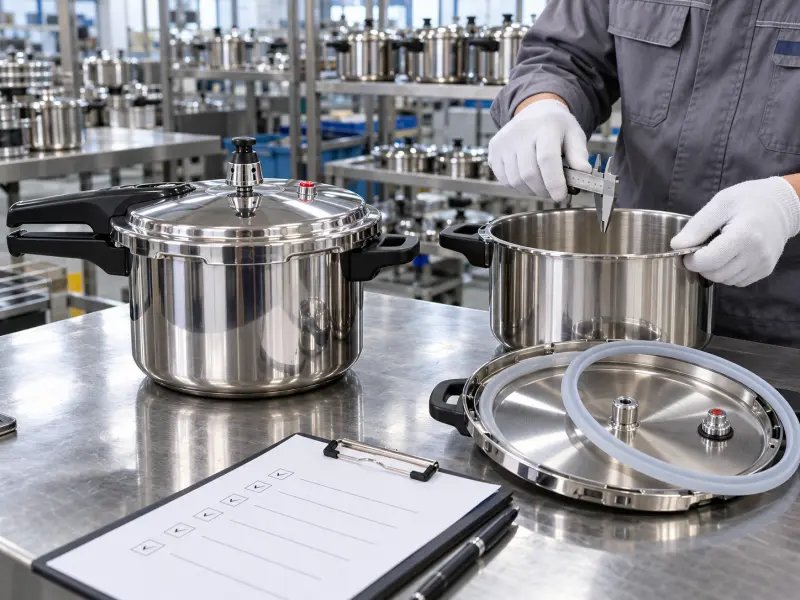
Pressure cooker quality control starts before production, when importers and manufacturers agree on specifications, safety requirements, and acceptance criteria. An approved sample provides a reference, but bulk orders also require material checks, assembly inspections, functional verification, and shipment records. This checklist helps buyers of stovetop 스테인리스 스틸 압력솥 identify what to check, what evidence to request, and which issues must be resolved before shipment.
Define Specifications and Acceptance Criteria
An inspection is useful only when the acceptance criteria are clear. Before paying a deposit or approving production, document the following requirements and link them to an approved sample or specification revision.
| Checklist Item | What Importers Should Confirm |
|---|---|
| Capacity and dimensions | Capacity definition, diameter, height, and agreed tolerances. |
| Materials and construction | Material grade for each relevant component, specified thickness and base construction. |
| Pressure and heat sources | Rated working pressure, compatible stovetops and corresponding markings. |
| Order configuration | Lid, handles, gasket, valves, accessories, logo and packaging version. |
| Acceptance plan | Inspection methods, sampling, defect classification and release conditions. |
Decision rule: Resolve missing or conflicting specifications before production. Changes to safety-related components should trigger a documented review of whether further verification is needed.
Verify Materials and Food-Contact Components
Material inspection should establish whether the actual components match the purchase specification. A general claim such as “stainless steel” does not identify the material used in every part of a pressure cooker.
Check component-level specifications. Verify the body, lid, base layers, and relevant fittings separately. Appearance or a magnet alone cannot establish a stainless steel grade.
Review gaskets and food-contact parts. Confirm the specified material, dimensions, and fit. Request food-contact documentation appropriate to the material, intended use, and destination market.
Match evidence to the product. Check the report’s sample description, covered materials, and test scope. Clarify how supporting records relate to the supplied model and material batches.


Decision rule: Unexplained material substitutions or mismatched reports require investigation before acceptance. Material evidence does not replace pressure cooker safety testing.
Inspect Construction and Batch Consistency
Correct materials still need consistent forming and assembly. Compare randomly selected production units with the approved reference, using agreed measurements rather than visual impressions alone.
Body and lid: Check deformation, rim condition, alignment, and smooth closure. Investigate variations that may affect sealing or locking.
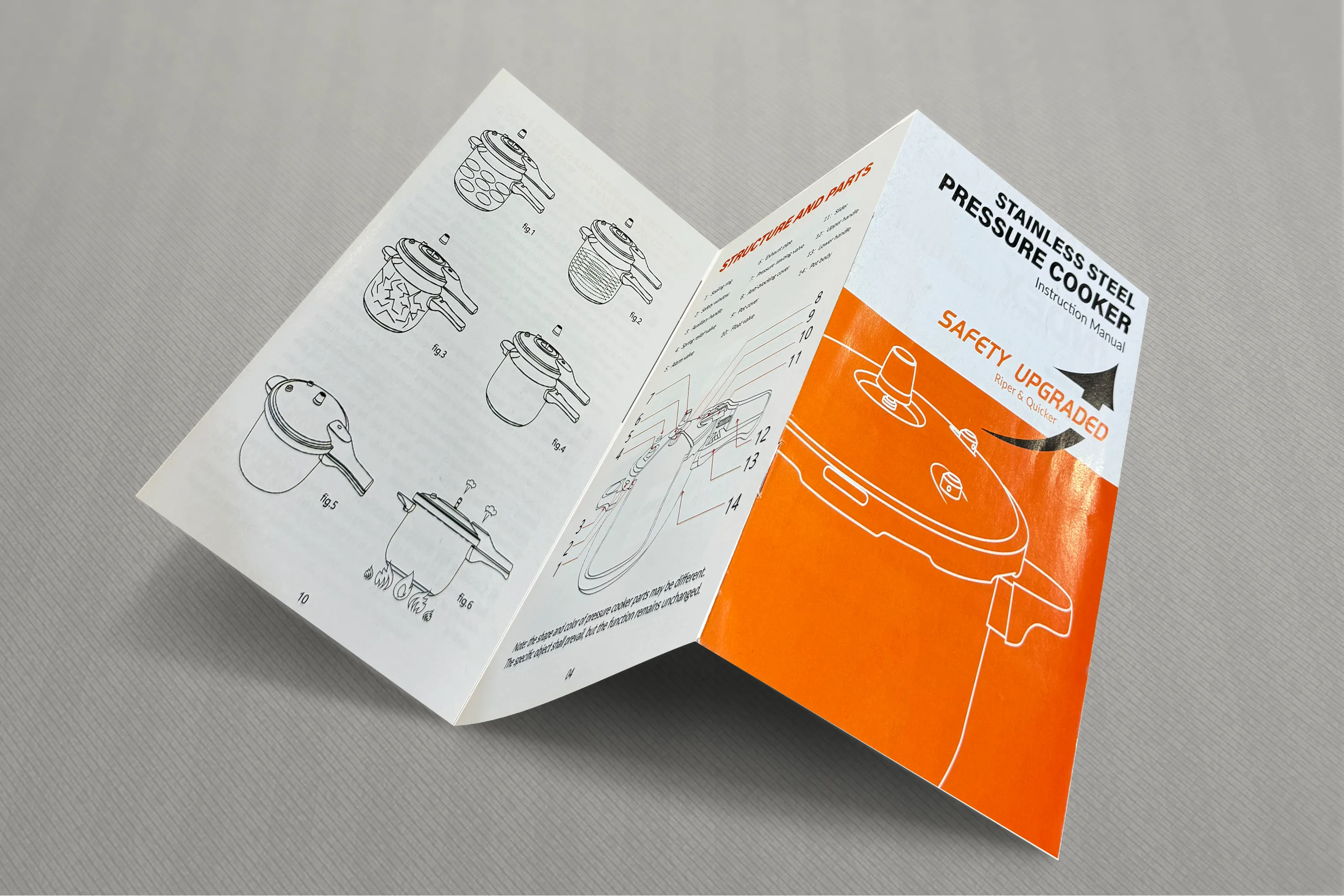
Handles and fittings: Check fastening, alignment, cracks, looseness, and sharp edges. Confirm specified strength and heat-related test evidence where applicable.
Base and finish: Inspect base flatness, visible bonding defects, dents, burrs, and finish consistency. Verify claimed stovetop compatibility against the approved product specification.
Batch comparison: Record key dimensions, component versions, and configuration differences. Weight variation can flag a discrepancy, but cannot independently prove material grade or thickness.


Decision rule: Classify findings by safety, function, and appearance. A cosmetic acceptance allowance should never be used to approve a safety-related defect.
Verify Pressure and Safety Functions
Pressure cooker quality control must verify functional safety as well as workmanship. Lid-opening protection deserves particular attention: premature opening under pressure can release hot contents and cause burns.
Sealing: Review leakage test results against the specified test conditions and acceptance limits.
Pressure regulation: Verify that pressure-control results meet the model’s technical requirements, including each selectable setting where applicable.
Safety pressure relief: Verify the specified protective devices and their test results, including their response under the conditions required by the applicable standard.
Lid locking and opening protection: Review verification of correct closure and prevention of opening while pressurized. A smooth opening action on an unpressurized sample does not establish this protection.
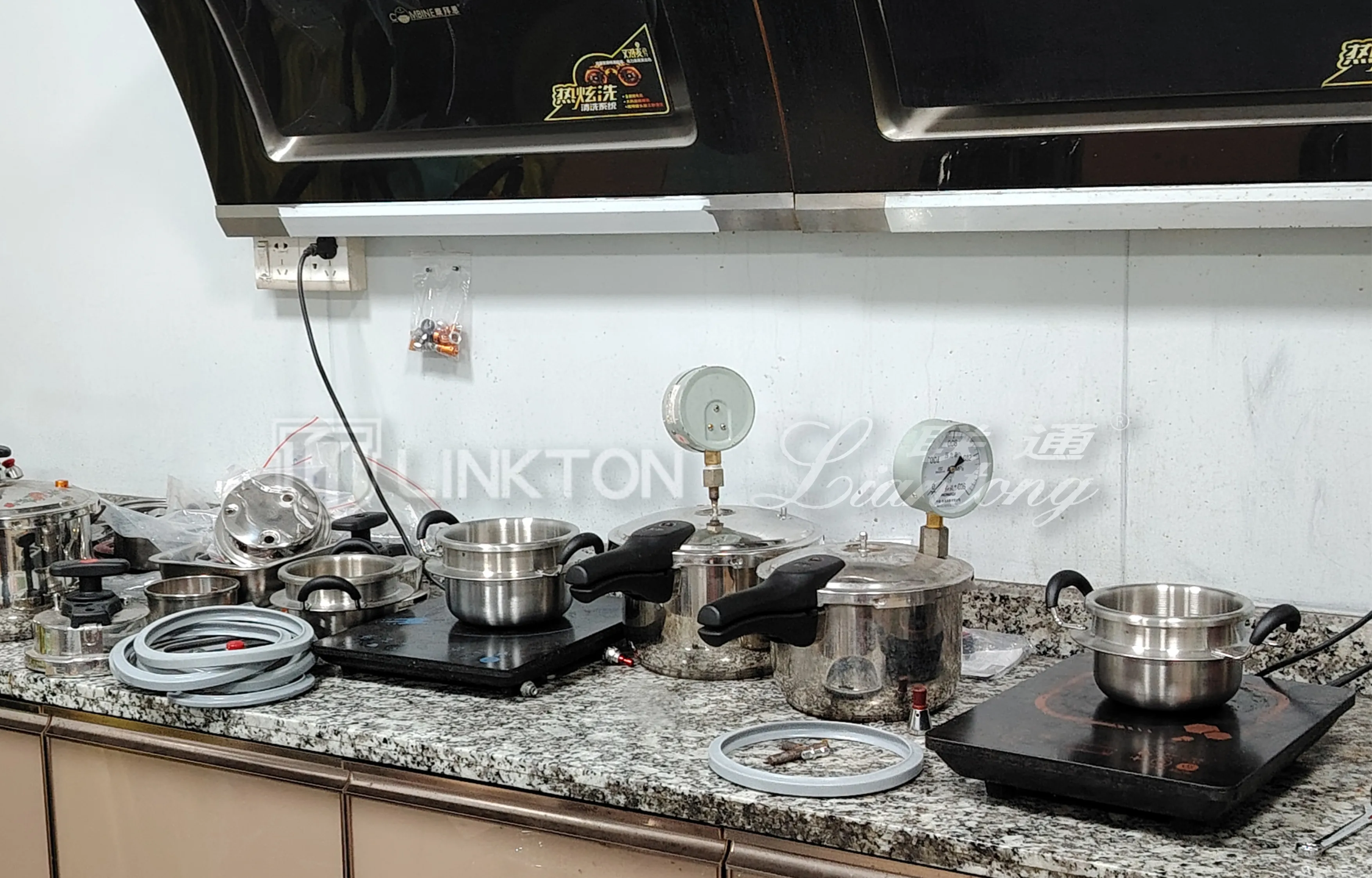
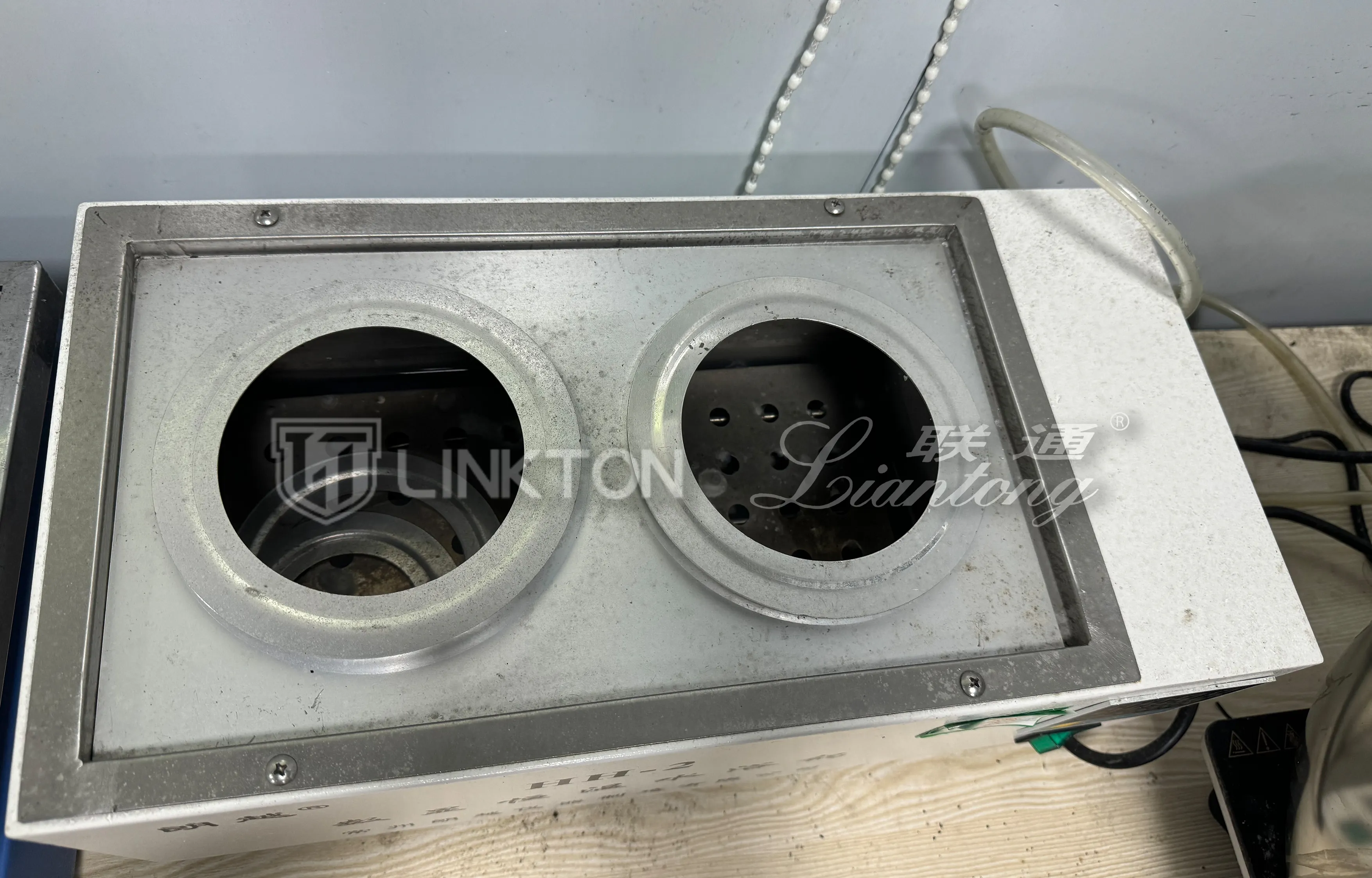
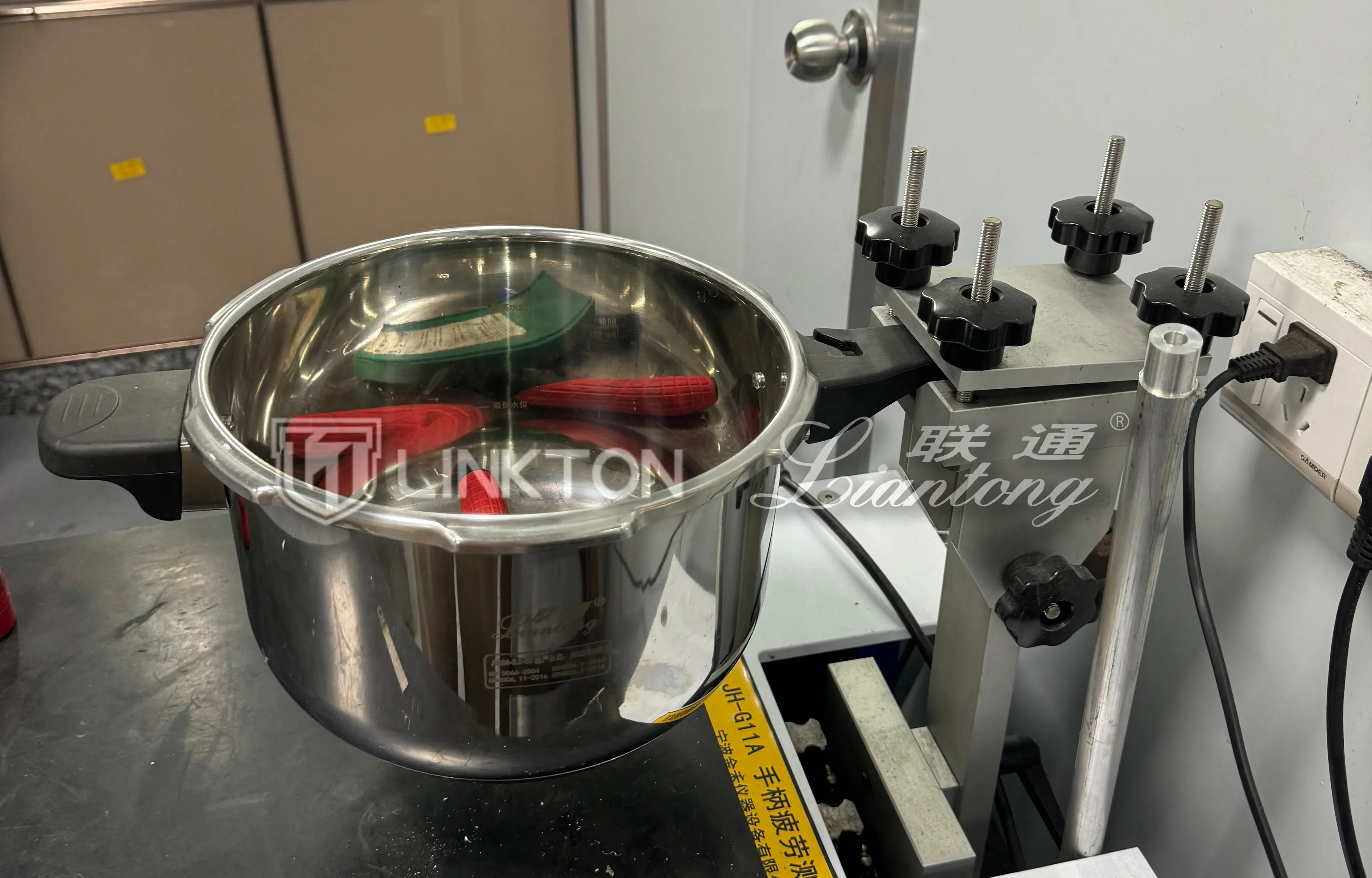
Model-level safety tests, routine factory checks, and shipment sampling serve different purposes. Agree on which evidence is required at each stage. Abnormal-pressure and destructive tests belong in appropriately equipped facilities under qualified personnel. For a closer look at how these checks are applied during manufacturing, explore LINKTON’s pressure cooker quality control process.
Decision rule: Suspend release when a safety function fails. Require cause analysis, corrective action, and appropriate re-verification before shipment.
Complete Packaging and Shipment Release Checks
A finished-product pass does not confirm that the shipment is complete or correctly labelled. Pre-shipment inspection should connect product findings with packaging, documentation, and unresolved issues.
| Checklist Item | Release Requirement |
|---|---|
| Quantity and configuration | Models, quantities and accessories match the order and packing list. |
| Protective packaging | Packing matches the approved specification; agreed transport-test requirements are met. |
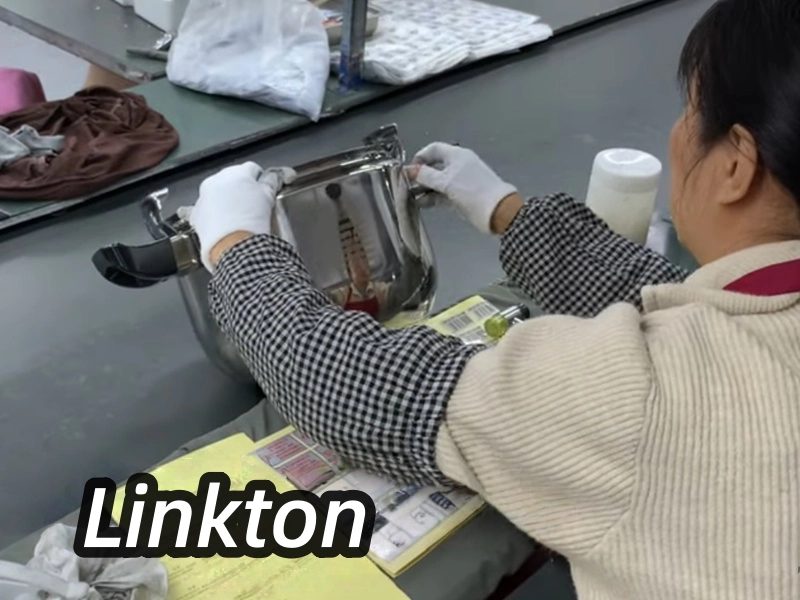
| Labels and instructions | Pressure, capacity, heat-source markings, warnings and language versions are correct. |
| Market documentation | Applicable documents cover the supplied model and destination requirements. |
| Inspection closure | Defects, corrective actions, reinspection results, and release approval are recorded. |
Agree on the sampling plan and any AQL criteria before inspection. Passing an AQL sample does not prove that every unit is defect-free or replace required safety verification. Keep the batch on hold when release conditions remain unmet.
Turn Your Checklist into a Supply Plan with LINKTON
A useful checklist needs a manufacturer that can address requirements during development and production. LINKTON’s capabilities connect with these purchasing priorities:
Material and Component Checks
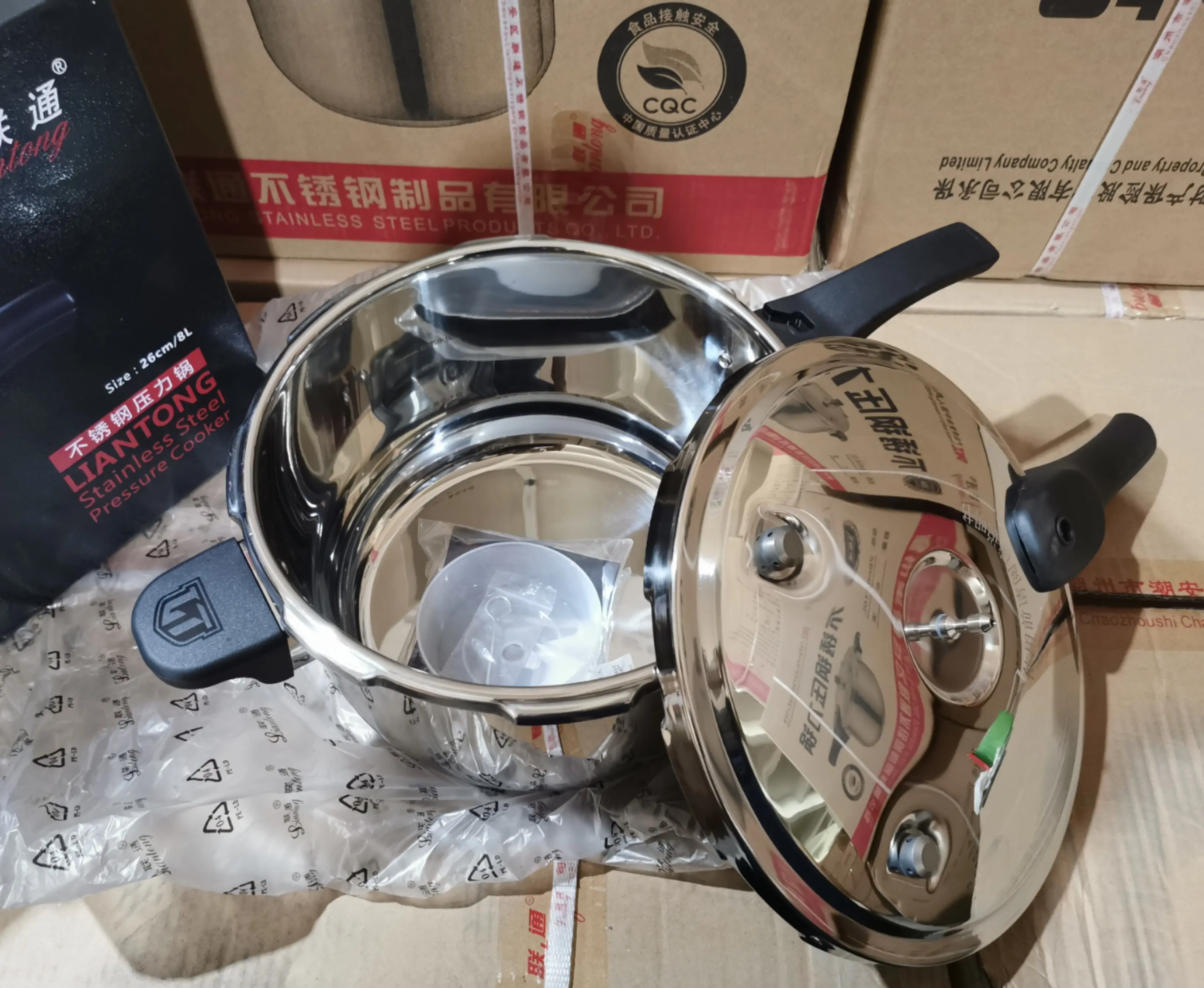
Inspection of steel, gaskets, handles, and valves addresses quality inputs before assembly.


Checks Through Production
LINKTON checks key processes, including forming, trimming, and annealing, to identify defects such as dents and deformation during manufacturing. Before packaging, finished pressure cookers undergo sealing, pressure, and valve operation checks to verify the assembled pot, lid, and valve functions before shipment.


Development Support
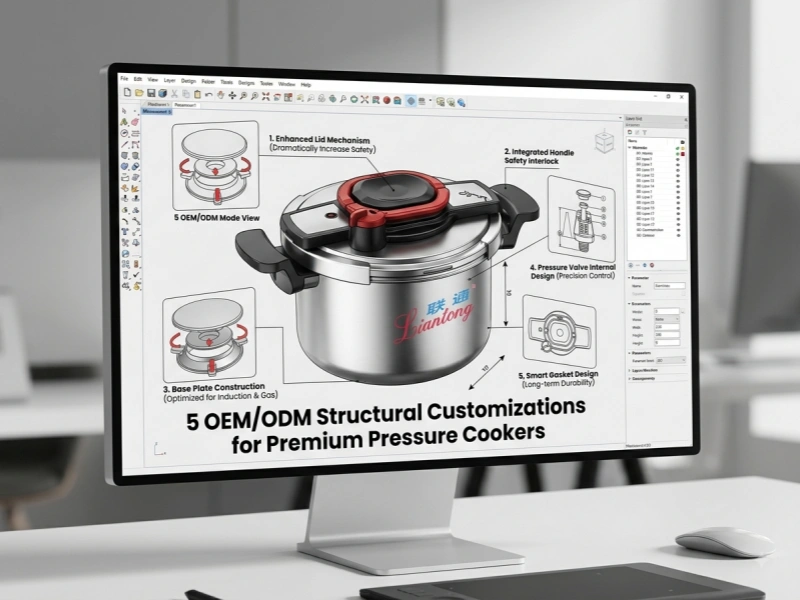
R&D, mold-making및 OEM/ODM capabilities provide a basis for discussing product requirements before bulk production.
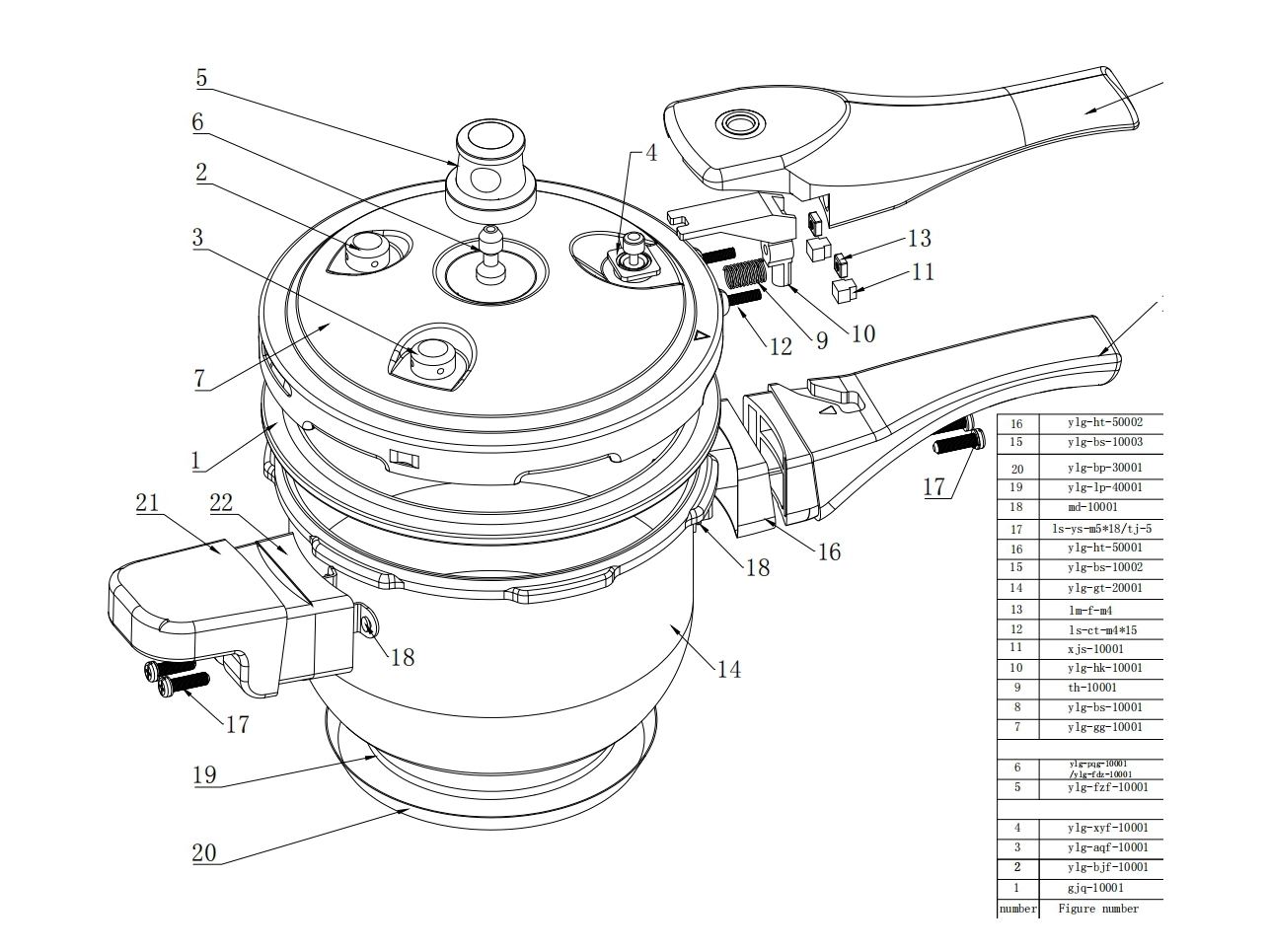

Effective pressure cooker quality control connects written specifications with material evidence, functional verification, and shipment decisions. Defining these requirements early gives both buyer and factory a clearer basis for approval and problem resolution.
Planning a wholesale or private-label order? Share your target market, required capacities, estimated quantities, and inspection requirements with LINKTON. Contact our team to discuss suitable models, available quality documentation, customization options, and a factory quotation.