




Food contact stainless steel pressure cooker sourcing requires more than a “304 stainless steel” description. Importers should identify every food-contact component, establish the requirements for the destination market, and check that supporting evidence matches the product and its intended use.
Como fabricante de panelas de pressão em aço inoxidável, LINKTON offers product development and OEM/ODM options for importers and private-label brands. This guide helps buyers turn food-contact questions into clear specifications and document requests before placing an order.
Food Contact Stainless Steel Pressure Cooker: Parts to Check
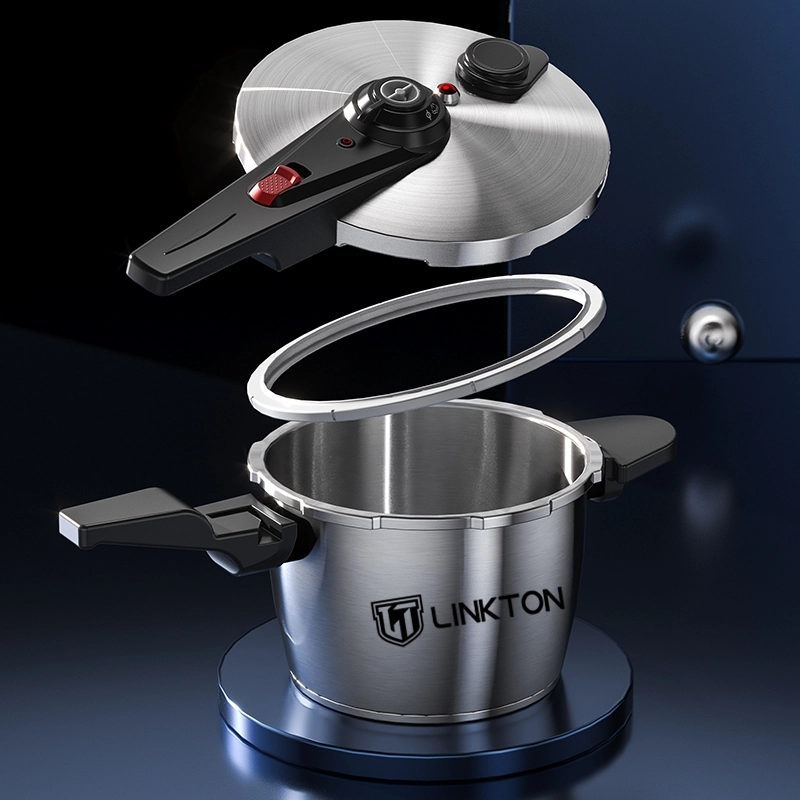
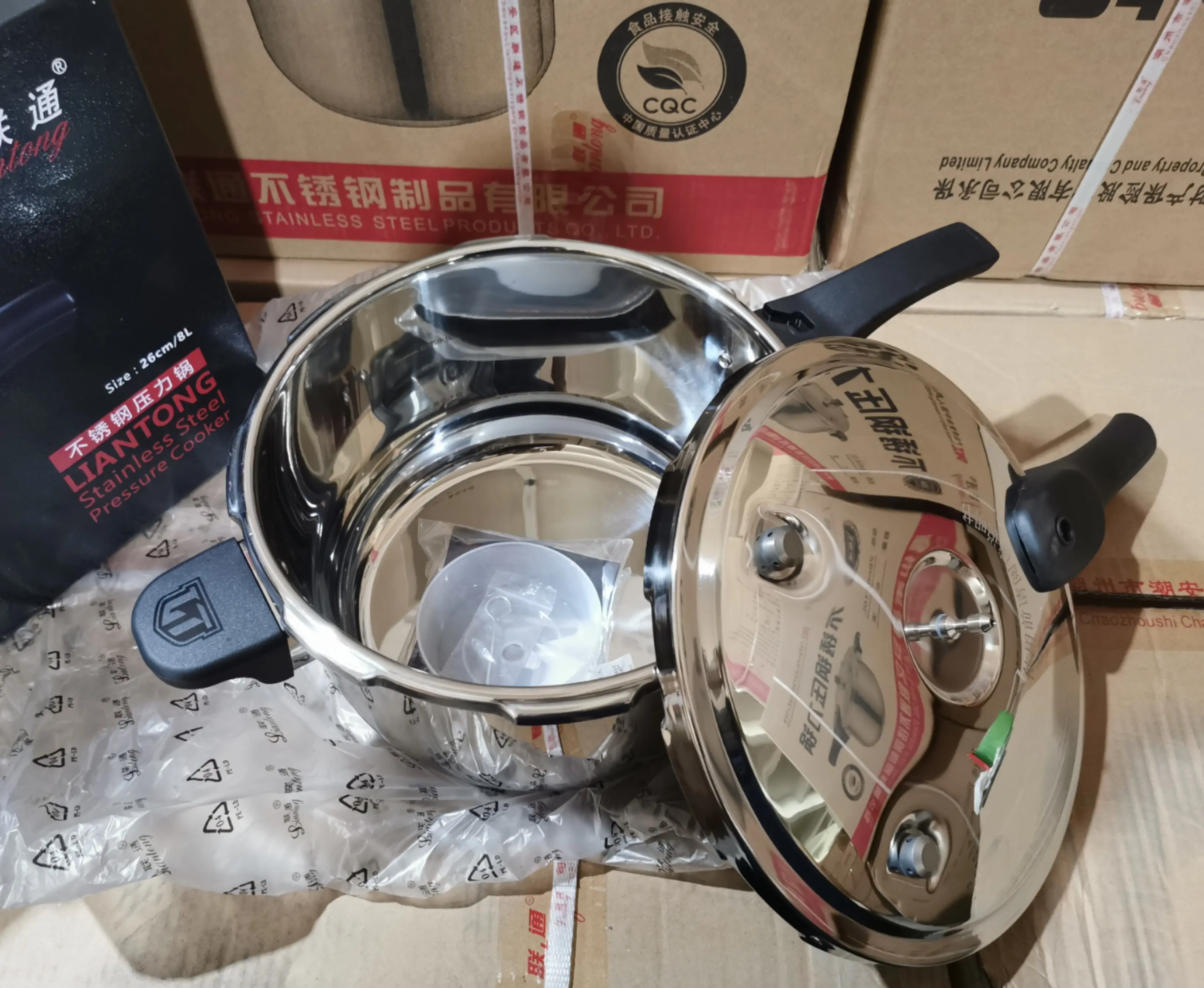
Panela de pressão em aço inoxidável food contact safety should be assessed by component. The cooking surface, lid underside, gasket, and supplied accessories may use different materials and need different supporting evidence.When discussing a model with LINKTON, identify the supplied accessories and contact surfaces first. A clearly defined configuration gives buyers a practical starting point for checking which materials and documents require review.
| Componente | What buyers should confirm |
|---|---|
| Pot interior | Steel grade, food-contact surface finish, and any internal coating. |
| Lid underside | Material specification and exposed fittings that contact food or returning condensate. |
| Sealing gasket | Exact material or formulation reference and intended temperature and contact conditions. |
| Steaming rack and accessories | Material and evidence for the accessories actually included in the order. |
| Other exposed parts | Whether valve components or other fittings enter the food-contact assessment. |
304 vs 316 Stainless Steel: Material Selection
For a 304 vs 316 stainless steel pressure cooker comparison, ask which grade is used in each part. An external induction-compatible base does not establish the grade of the inner cooking surface. Likewise, a steel composition report does not establish the finished article’s food-contact suitability. Stainless steel suitability must be demonstrated for the intended application.
316 stainless steel contains molybdenum, which improves resistance to certain forms of corrosion, particularly chloride-related pitting. This is a material-performance distinction, rather than a substitute for food-contact evidence. Choose the grade against the intended use and product specification.

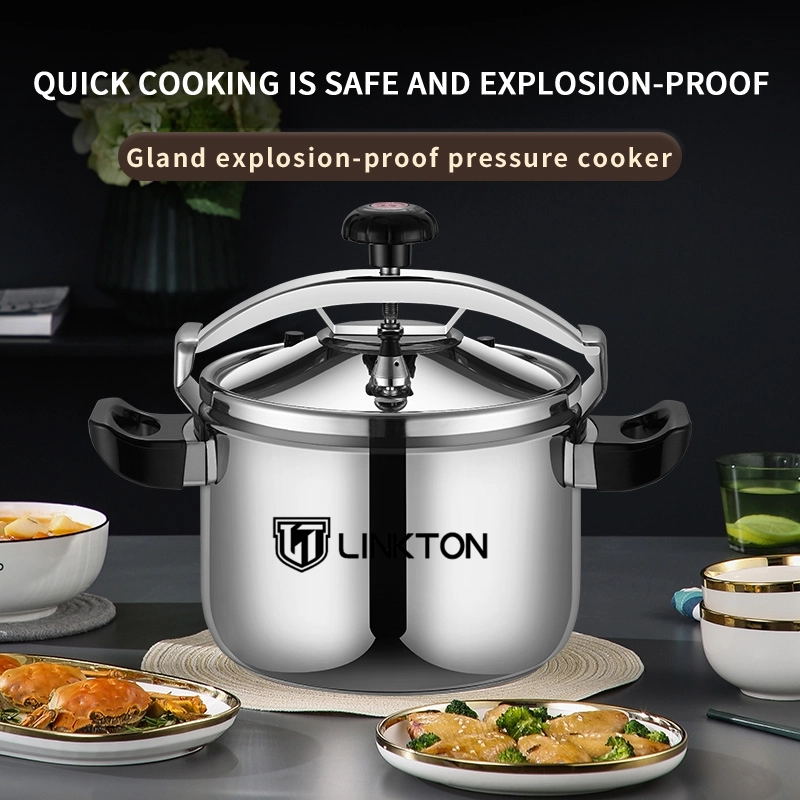
Before accepting a food grade stainless steel pressure cooker claim, check three details:
- Material by part: Record the body, lid, rack, and gasket specifications separately, rather than using one material description for the whole product.
- Surface and use: Identify coatings or treatments, intended foods, and cleaning instructions so the assessment reflects the product being sold.
- Non-metal components: Request material-specific evidence for gaskets and any food-contact plastics or coatings; steel documents do not cover them automatically.
For a customized LINKTON order, confirm the selected material and accessory specifications before sample approval. This creates a clear reference when comparing the sample, quotation, and eventual order.
Pressure Cooker Compliance Documents Explained
Pressure cooker food contact compliance should be reviewed through documents that match the selected model, materials, and destination market. Management-system certification demonstrates how a factory manages quality, while a product test report provides evidence for the samples and items actually tested.
For a LINKTON sourcing project, buyers can discuss ISO 9001 certification and the SGS or CQC-related documents available for the selected product. Check each document’s scope before using it to support a material, safety, or food-contact claim.
| Document | What It Supports | What Buyers Should Check |
|---|---|---|
| ISO 9001 Certificate | The factory’s quality-management system within the certified scope. | Company name, certification scope, and validity. It does not replace food-contact testing. |
| SGS Test Report | Results for the samples and test items stated in the report. | Model, materials, methods, conditions, and conclusions. Use it as food-contact evidence only if the report covers those tests. |
| CQC-Related Documentation | The product or certification requirements identified in the document. | Exact document type, covered models, and assessment scope. |

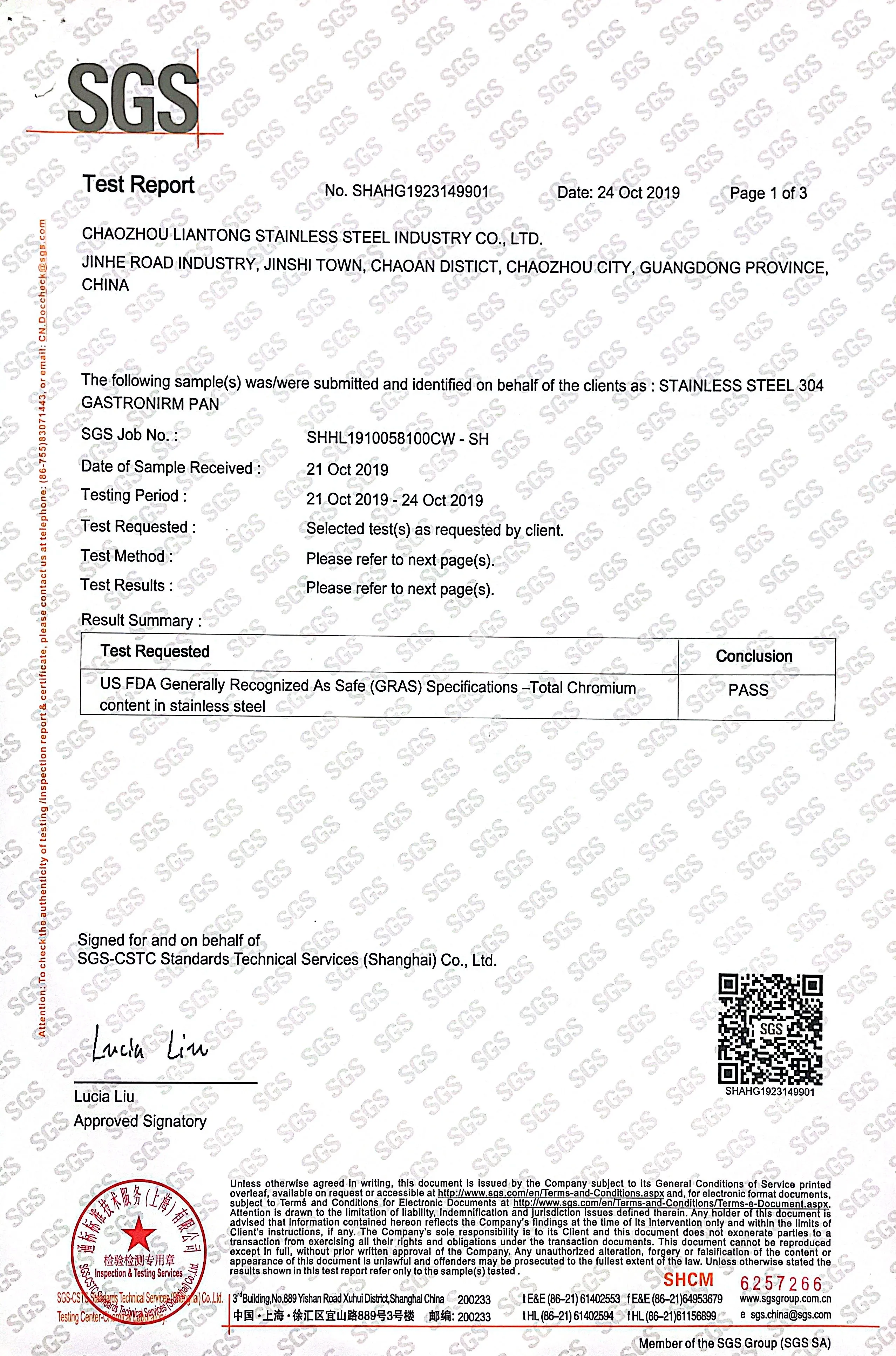

Share your target country and document requirements with LINKTON before ordering to confirm which available files apply to your chosen configuration.
Food Contact Testing: Scope and Conditions
Stainless steel food contact testing should answer a defined question: is the identified material or article suitable for the proposed contact conditions? Composition identification and stainless steel migration testing serve different purposes.
Before commissioning or accepting a test, agree on:
Samples and Materials: Identify the finished article or component being assessed, including the gasket and any coating where relevant.
Contact Conditions: Specify the food or simulant, temperature, duration, and repeated-use conditions required by the applicable assessment method.
Assessment Criteria: Ask the laboratory to identify the relevant substances, methods, and acceptance limits for the destination and materials.
Instruções do produto: Check that the supported use conditions align with the cooking and care instructions supplied to customers.
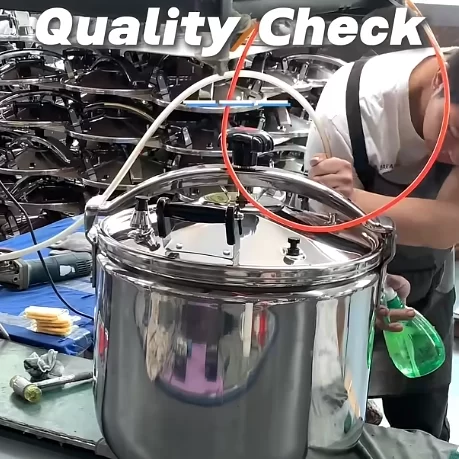
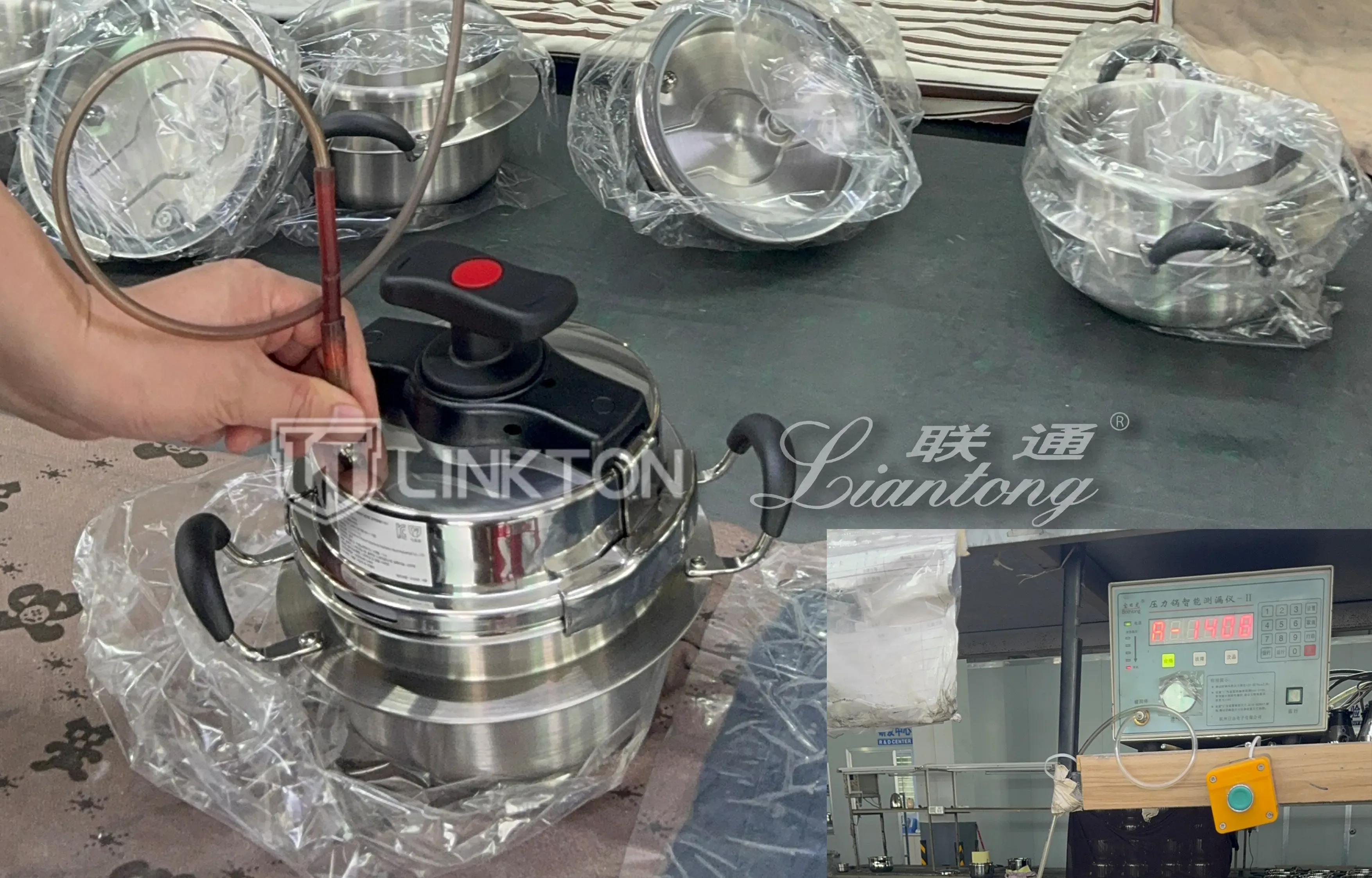
LINKTON describes checks for material composition and product performance. These address useful quality questions, but pressure, sealing, or gasket durability checks do not by themselves demonstrate chemical food-contact compliance. Buyers should request the relevant evidence for the selected configuration separately.
Pressure Cooker Test Report Checklist
A pressure cooker test report is useful only when its sample, scope, and conditions can be linked to the product being purchased. Review the complete report rather than relying on a cover page or a “PASS” screenshot.
| Review Item | Buyer’s Check |
|---|---|
| Sample Identity | Compare model, photos, capacity, and component descriptions with the approved sample. |
| Material Coverage | Check which metals, gasket materials, and coatings were actually assessed. |
| Assessment Basis | Identify the cited requirements, methods, and their relevance to the destination. |
| Test Conditions | Review simulants, temperature, time, and repeated-use testing where applicable. |
| Results and Limits | Read the individual results and criteria behind the conclusion. |
| Authenticity and Completeness | Check report number, laboratory, date, pages, and any amendments; verify with the issuer when needed. |
| Family Coverage | Request a documented rationale before applying results to untested models or capacities. |
| Product Changes | Review whether changes in material, formulation, finish, or supplier affect the evidence. |
When ordering from LINKTON, use the agreed model and configuration as the reference for document review. Flag mismatches before production approval so the parties can identify whether clarification, additional evidence, or further assessment is needed.
LINKTON Factory Strength and OEM Support
Beyond material and document discussions, LINKTON supports the commercial work of developing and supplying a pressure cooker range.
Product development for your market. LINKTON has in-house design and mold-development capabilities. Buyers can discuss changes to existing models or new concepts against their positioning and project requirements, then agree on the necessary validation before production.

Sample Support Before Bulk Orders. Como wholesale pressure cooker supplier, LINKTON offers sample options for standard and customized models. Buyers can evaluate the product’s appearance, dimensions, handling, and accessory configuration before confirming a bulk order, helping align purchasing expectations with the proposed product.
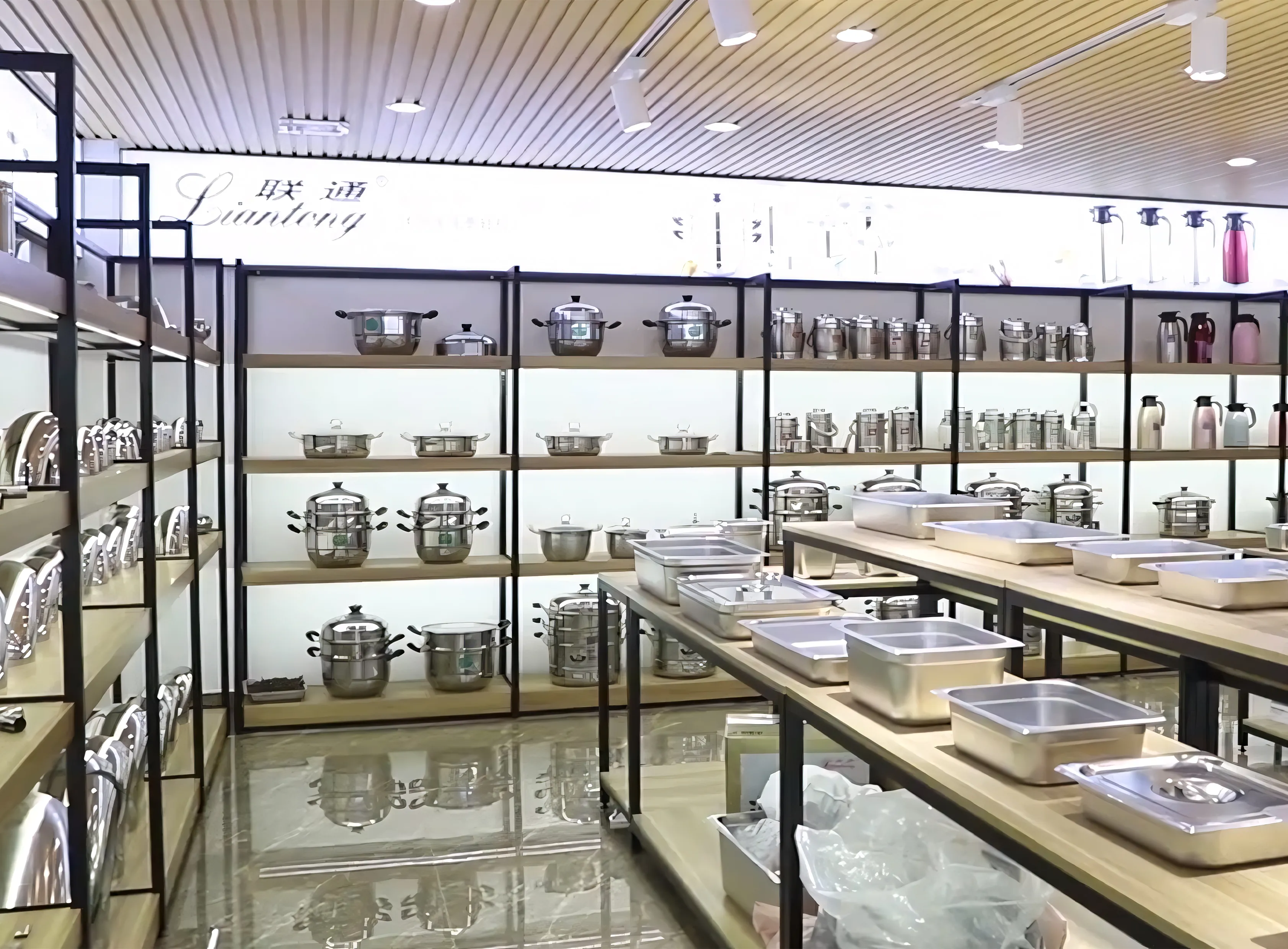
Factory Capacity for Bulk Orders. We operate three factories with automated and semi-automated production equipment and dedicated electrolytic polishing facilities. This manufacturing setup supports different product specifications and bulk order requirements, helping importers and distributors plan product ranges and replenishment.

FAQ
Q1. Does 304 stainless steel guarantee food-contact compliance?
No. A grade designation identifies a material specification; compliance also depends on the finished article, other contact materials, intended use, and applicable requirements.
Q2. Do imported stainless steel pressure cookers need “FDA certification”?
Do not treat that phrase as a universal product approval. Ask for the applicable regulatory basis and supporting evidence for the materials and intended food-contact use.
Q3. Can one test report cover every model and capacity?
Not automatically. Coverage needs a documented basis considering materials, construction, contact conditions, and relevant differences between products. A similar appearance or shared brand is insufficient.
Q4. Is a report still applicable after a gasket, material, or coating change?
Review the change first. Existing evidence may remain relevant, need supplementation, or require new testing. The decision should follow the change’s impact and applicable requirements, rather than the report date alone.
Conclusion: Discuss Your Import Project with LINKTON
LINKTON can support pressure cooker selection, OEM/ODM development, private-label packaging, and ongoing technical and spare-parts needs. Send your destination country, preferred model or capacity, material requirements, order quantity, and required documents to discuss a project-specific proposal.
Contact LINKTON for model options and a quotation.