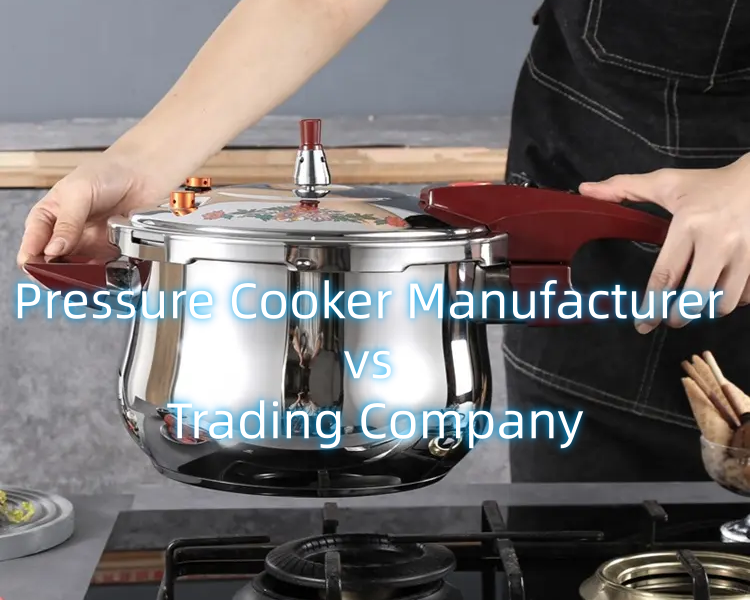
При поиске поставщиков скороварки из нержавеющей стали Для гостиниц, предприятий общественного питания или дистрибьюторов кухонной утвари часто возникает один важный вопрос: работать ли вам напрямую с производителем или через торговую компанию? Хотя оба варианта могут поставлять продукцию, различия в контроле качества, структуре цен, возможностях персонализации и надежности цепочки поставок могут существенно повлиять на результаты вашего бизнеса. Для покупателей B2B скороварки - это не просто кухонные инструменты, а важнейшее оборудование, от которого зависит эффективность приготовления пищи, безопасность работы и репутация бренда. Понимание реальной разницы между производитель скороварок и торговой компании - это ключ к принятию более разумного решения о выборе поставщика.
В чем реальная разница между производителем и торговой компанией?
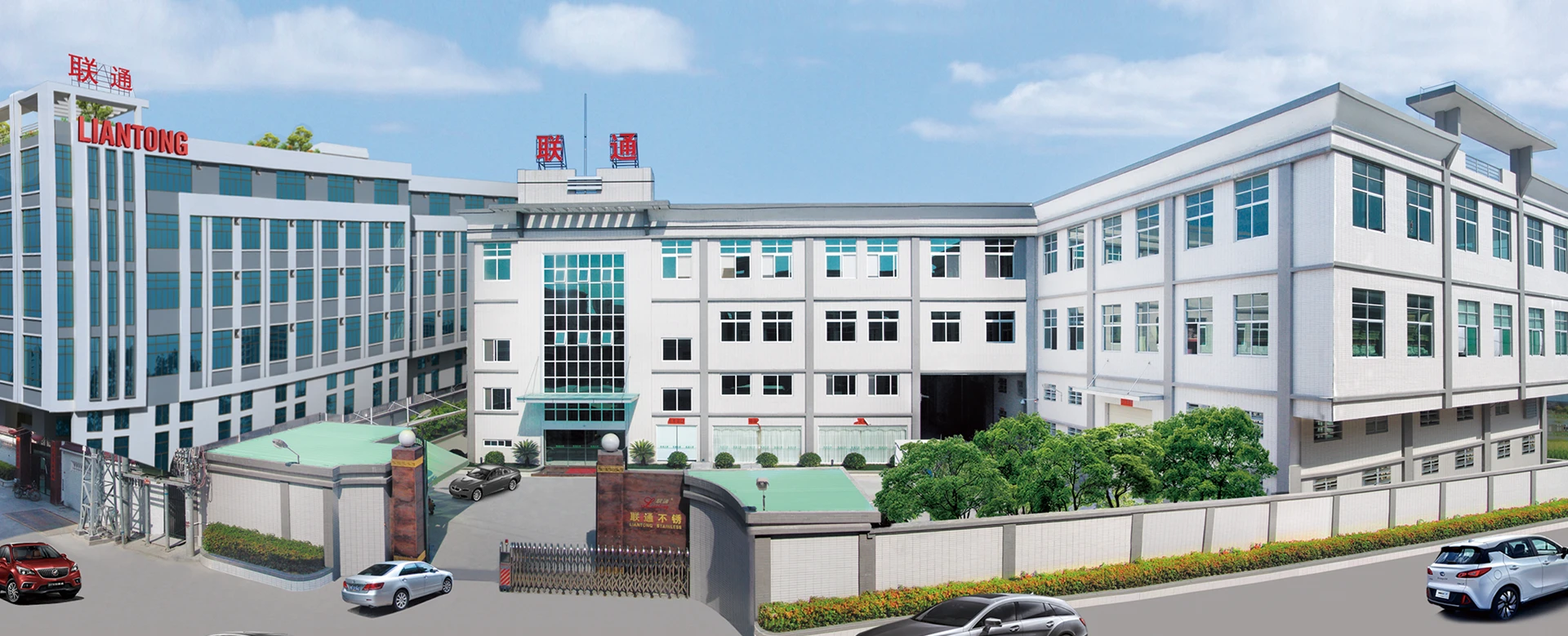
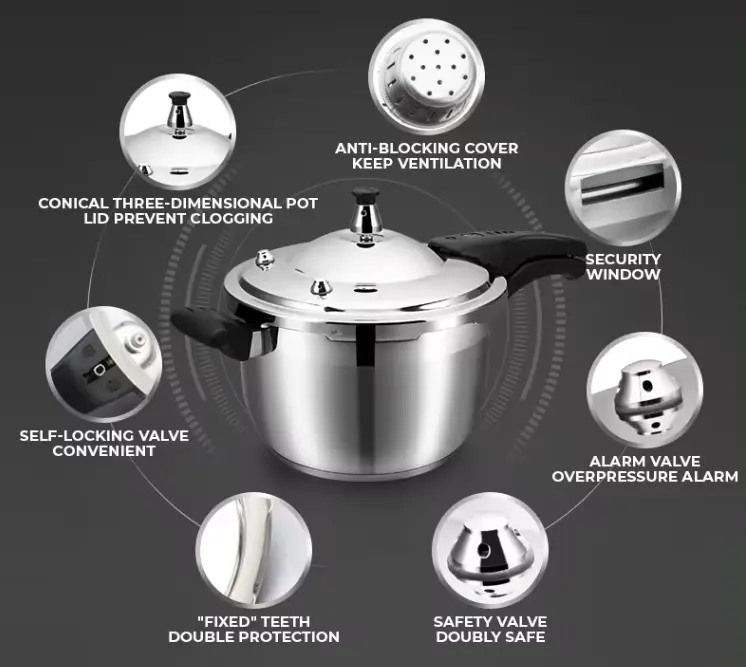
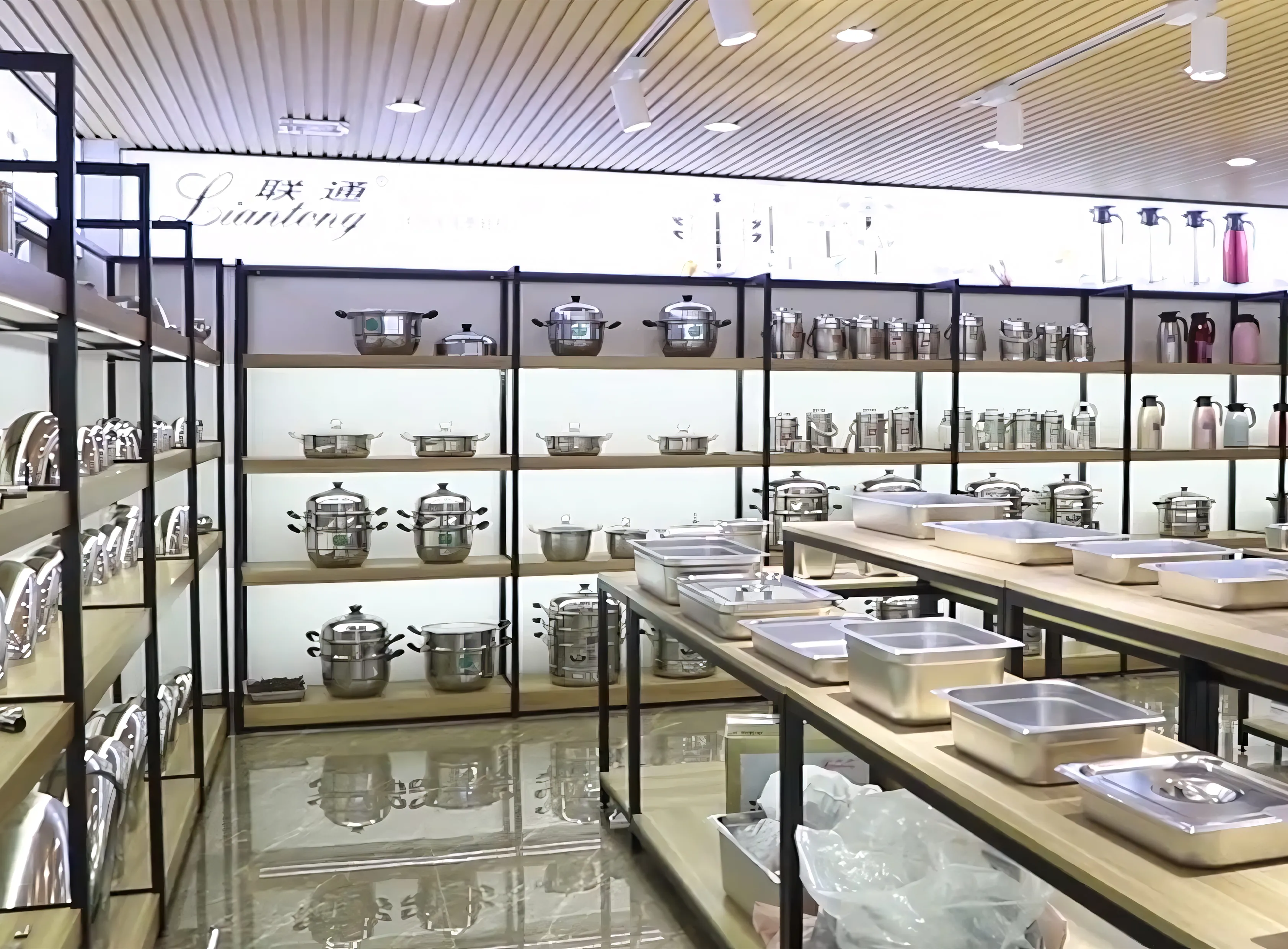
A производитель скороварок владеет и управляет производственными мощностями, обеспечивая прямой контроль над всем процессом производства. Это включает в себя выбор сырья, формовку, полировку, сборку и разработку Системы безопасности скороварок. Производители обычно поддерживают Скороварка OEM и ODM услуги.
Торговая компания, напротив, выступает в роли посредника, поставляющего продукцию с нескольких заводов. Несмотря на гибкость, она не имеет возможности напрямую контролировать производство, что может повлиять на последовательность и техническую прозрачность.
Производители обеспечивают контроль производства и инженерные возможности, а торговые компании - удобство поиска поставщиков.
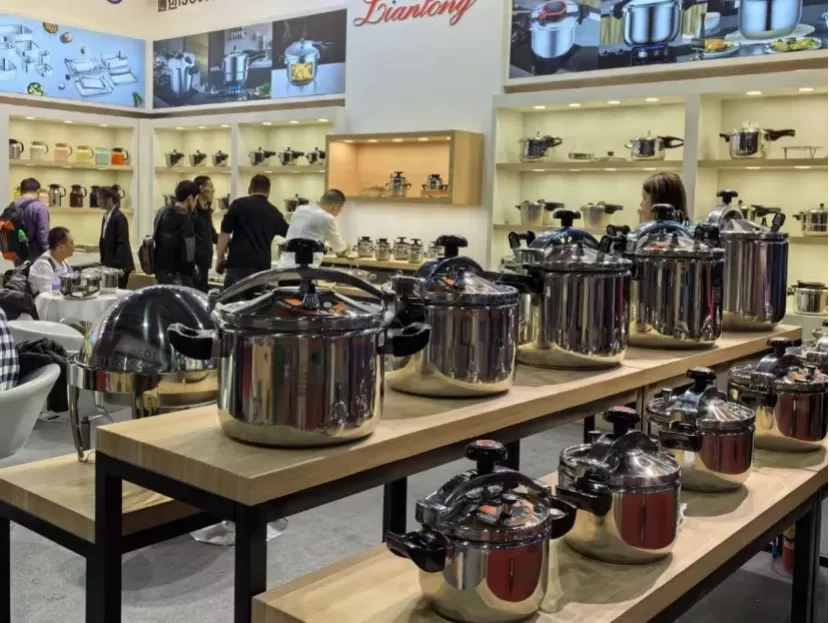
Качество и последовательность продукции: Важнейший фактор для покупателей B2B
Согласованность партий очень важна при поиске поставщиков промышленные скороварки. Производители скороварок из нержавеющей стали обеспечить стандартизированные производственные процессы и строгие системы контроля качества, включая проверку материалов и испытания под давлением.
Торговые компании часто полагаются на несколько заводов, что может привести к расхождениям между партиями. Для долгосрочных поставок это создает потенциальные риски.
Система безопасности и технические возможности: Основа производительности
Самым важным аспектом любой скороварки является ее система безопасностиВ том числе клапаны сброса давления, запорные механизмы и системы уплотнения.
Производители могут разрабатывать, оптимизировать и настраивать эти системы для различных рынков. Торговые компании, как правило, не обладают глубокими техническими знаниями, что может ограничить поддержку при сертификации или аудите качества.
Возможности OEM и ODM: Создание конкурентоспособного бренда
Производители предоставляют полный OEM/ODM решения скороварка, в том числе:
- Изготовление логотипов и упаковки на заказ
- Оптимизация структуры продукта
- Развитие потенциала и дизайна
- Адаптация с учетом специфики рынка
Торговые компании, как правило, предлагают ограниченный набор услуг, в основном ориентированных на брендинг, а не на разработку продукта.
Структура ценообразования и долгосрочная эффективность затрат
Производители исключают промежуточные звенья, предлагая более конкурентоспособные цены, особенно при оптовых заказах. Они также обеспечивают стабильное долгосрочное ценообразование.
Торговые компании включают дополнительные наценки. Хотя они подходят для небольших заказов, при увеличении масштаба они становятся менее рентабельными. Следует также учитывать скрытые издержки, связанные с несоответствием качества.
Надежность поставок и стабильность цепочки поставок
Производители контролируют производственные графики и мощности, обеспечивая стабильные сроки поставок. Это очень важно для долгосрочных B2B-партнерств.
Торговые компании зависят от множества поставщиков, что увеличивает неопределенность поставок.
Сравнение производителя и торговой компании
| Ключевые факторы | Производитель | Торговая компания |
|---|---|---|
| Согласованность продукции | Стандартизированное производство, стабильные партии | Множество источников, повышенный риск вариации |
| Управление системой безопасности | Полный технический контроль и настройка | Ограниченная техническая прозрачность |
| Возможность OEM/ODM | Глубокая настройка и разработка | Только базовый брендинг |
| Структура ценообразования | Отсутствие средней маржи, лучшая долгосрочная стоимость | Включает наценку, при масштабировании - выше |
| Стабильность поставок | Контролируемое производство и планирование | Зависит от координации |
| Послепродажная поддержка | Прямой ответ завода | Косвенная коммуникация |
Для покупателей кухонных принадлежностей B2B, для которых важны надежность, безопасность и развитие бренда, работа напрямую с производителем, как правило, является более стратегическим выбором.
Производитель против торговой компании: Какой вариант подходит для вашего этапа бизнеса?
Выбор между производителем и торговой компанией зависит от потребностей вашего бизнеса.
Вам стоит подумать о сотрудничестве с Производитель и поставщик скороварок если:
- Вам требуется OEM- или ODM-настройка
- Приоритетом для вас является безопасность и стабильность продукции
- Вы планируете долгосрочные или оптовые закупки
- Вы стремитесь создать свой собственный бренд
Торговая компания может быть подходящей, если:
- У вас ограниченные технические требования
- Вы тестируете рынок с помощью небольших заказов
- Вам нужно быстро найти несколько категорий товаров
Почему все больше покупателей выбирают прямой заводской сорсинг
С ростом прозрачности цепочки поставок все больше покупателей переходят на прямой заводской поиск для лучшего контроля качества, стоимости и персонализации.
В случае с такими безопасными товарами, как скороварки из нержавеющей стали, этот сдвиг еще более заметен, поскольку покупатели ищут надежных партнеров, а не посредников.

Как Linkton поддерживает покупателей скороварок B2B?
В качестве профессиональный производитель скороварок из нержавеющей стали, Linkton предложения:
- Высококачественные материалы из нержавеющей стали обеспечивают долговечность
- Передовые системы безопасности скороварки для надежной работы
- Строгий контроль качества для обеспечения однородности партий
- Гибкие услуги OEM и ODM для развития бренда
- Мощные производственные мощности для выполнения оптовых заказов
- Опыт экспорта на различные международные рынки
Если вы являетесь дистрибьютором, владельцем торговой марки или поставщиком продуктов питания, Linkton поможет вам создать стабильную и конкурентоспособную линейку продуктов.
Заключение
Разница между производителем и торговой компанией сводится к контролю и удобству. Для большинства покупателей B2B сотрудничество с производителем обеспечивает лучшее качество, стабильность поставок и долгосрочную экономическую эффективность.
Если вы ищете надежный производитель скороварокне стесняйтесь связаться с Линктоном для улучшения роста вашего бизнеса и повышения конкурентоспособности на рынке.