



전 세계적인 환경 규제가 강화되고 소비자들이 친환경 제품을 점점 더 중요하게 여기면서, 지속가능성은 더 이상 단순한 마케팅 슬로건이 아니라 공급망의 핵심 과제가 되었습니다. 유럽, 북미, 호주 전역의 조리도구 수입업체, 자체 브랜드 소유주, 소매 구매 관리자들에게 있어 조달은 친환경 조리 도구 이는 장기적인 시장 경쟁력과 규제 준수를 위해 매우 중요합니다.
유럽연합(EU)의 탄소국경조정제도(CBAM)부터 ‘영원히 사라지지 않는 화학물질’(PFAS/PFOA)에 대한 전 세계적인 엄격한 금지 조치에 이르기까지, 주방용품 업계는 대규모의 친환경 전환을 겪고 있습니다. 주요 스테인리스 주방용품 제조업체, Linkton 이 회사는 까다로운 국제 ESG(환경, 사회, 지배구조) 기준을 충족하도록 설계된 OEM/ODM 솔루션을 제공합니다. 이 가이드에서는 수입업자가 어떻게 탄력적이고 친환경적인 조리도구 공급망을 구축할 수 있는지 설명합니다.
1. 소재의 내구성: 스테인리스 스틸이 지속 가능한 조리용기로 꼽히는 이유
가장 지속 가능한 제품은 자주 교체할 필요가 없는 제품입니다. 코팅이 손상되어 비접착 알루미늄 팬은 대개 1~3년마다 교체해야 하는 반면, 고품질 스테인리스 조리도구 수십 년에 걸쳐 뛰어난 내구성을 자랑합니다.
언제 중국에서 지속 가능한 조리도구 조달하기, B2B 구매자는 주요 재료 특성을 평가해야 합니다:
- 재활용성이 뛰어난 304 및 316 스테인리스강: 100% 스테인리스강은 품질 저하 없이 재활용이 가능합니다. Linkton은 프리미엄 식품용 등급의 18/8(SUS304) 및 18/10(SUS316) 스테인리스강을 사용하여 뛰어난 내식성, 높은 인장 강도 및 탁월한 내구성을 제공합니다.
- 100% PFAS 무함유 조리 표면: 폴리테트라플루오로에틸렌(PTFE)이나 퍼- 및 폴리플루오로알킬 물질(PFAS)이 포함된 기존의 논스틱 코팅과 달리, 스테인리스 스틸 조리 도구는 전 세계 보건 기준을 충족하는, 자연적으로 무독성이며 화학 물질이 전혀 포함되지 않은 조리 표면을 제공합니다.
2. 환경 규정 준수 안내: PFAS 사용 금지, LFGB, FDA
규제 준수는 조리도구 수입업체들이 반드시 고려해야 할 중요한 사항입니다. 전 세계 각국 정부는 유해 화학 물질 코팅을 금지하고 식품 접촉 재료에 대한 규제를 강화하고 있습니다.
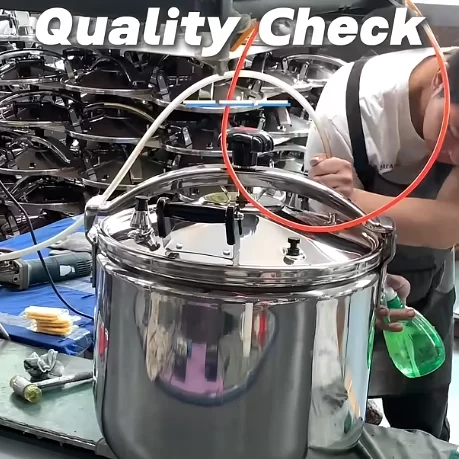
에서 Linkton, 당사의 제조 공정은 전 세계 주요 시장에서 규정을 준수할 수 있도록 엄격한 품질 관리 및 안전 규정을 준수하고 있습니다:
- PFAS 무함유 인증: 모두 링크턴 스테인리스 스틸 조리도구 제품군 코팅이 되어 있지 않은 원시 금속 재질의 내부 표면을 특징으로 하며, PFOA, PFOS 및 합성 화학 코팅 물질이 전혀 포함되어 있지 않습니다.
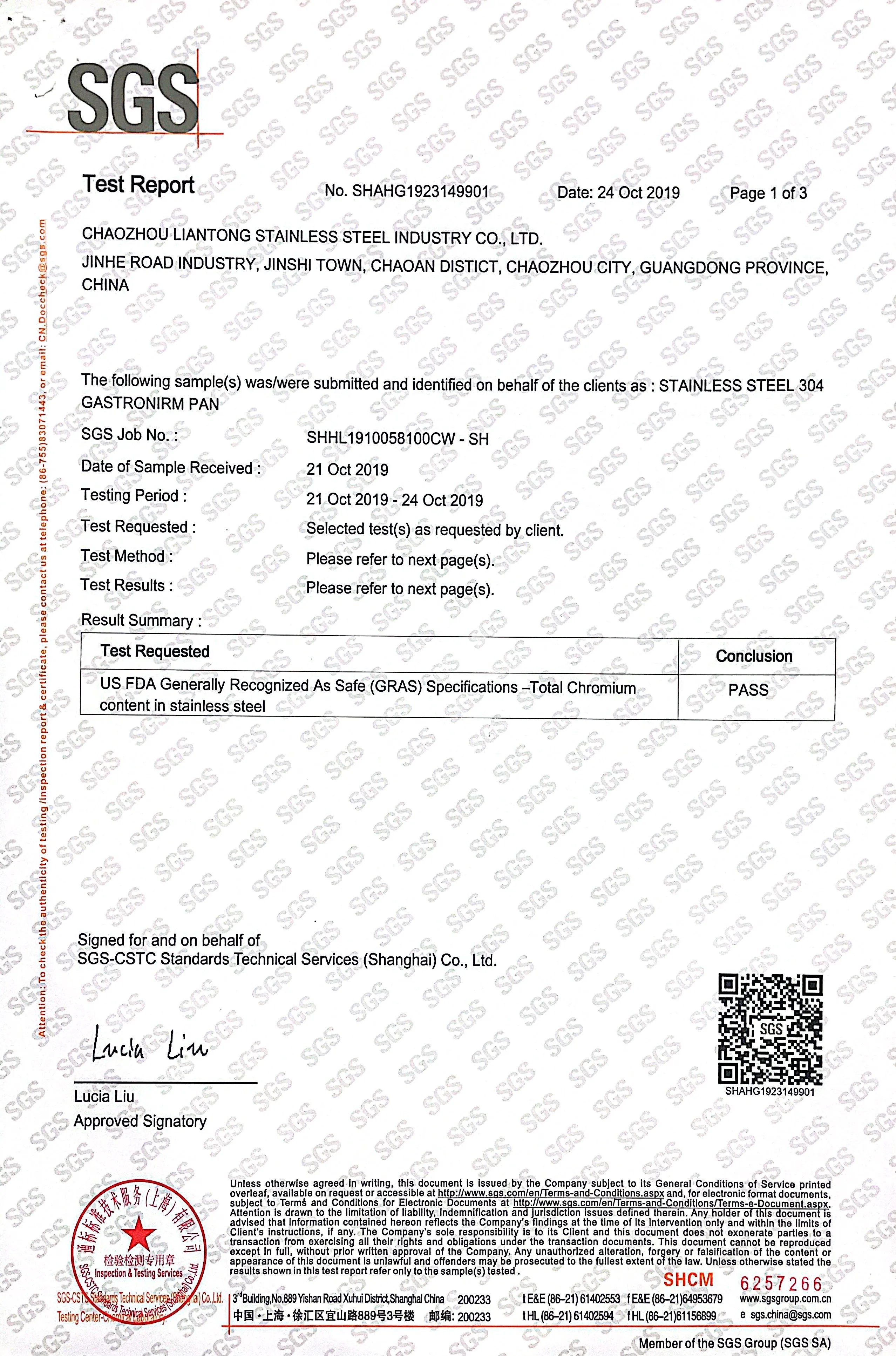
- 식품 접촉 안전 (LFGB 및 FDA): 당사 제품은 중금속 용출에 대한 검사를 거쳐 유럽 LFGB, 미국 FDA 및 DGCCRF 기준을 완벽하게 준수하고 있습니다.
- 에너지 효율적인 생산: 에너지 효율이 높은 유압 프레스 및 마찰 접합 기술을 활용함으로써, 당사는 다음 제품의 제조 과정에서 탄소 집약도를 낮추고 있습니다. 도매 압력솥 그리고 3중 구조 조리도구.
3. 고효율 열공학: 주방 에너지 소비 절감
지속 가능성은 제조 단계를 넘어 소비자의 일상적인 사용 단계까지 이어집니다. 에너지 효율이 높은 조리 도구는 요리에 필요한 전기나 가스 사용량을 줄여주므로, 에너지 절약을 중시하는 소비자들에게 매력적인 판매 포인트가 됩니다.
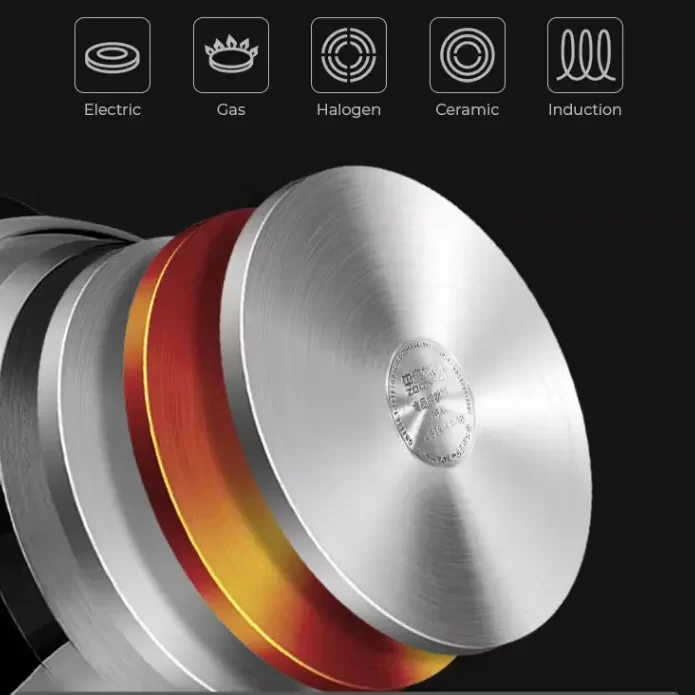
- 충격 결합형 캡슐 베이스: 자성을 띤 스테인리스강 층 사이에 두꺼운 알루미늄 심이 감싸여 있어 열이 빠르고 균일하게 전달되며, 열이 한곳에 집중되는 현상을 방지합니다.
- 에너지 절약형 압력조리: ~를 활용하여 링크턴 압력솥 조리 시간을 최대 70% 그리고 주방의 에너지 소비량을 최대 75% 일반 스톡팟에 비해, 소매 브랜드에 매력적인 친환경 마케팅 포인트를 제공합니다.

4. 친환경 포장 및 컨테이너 운송 최적화
수입업체의 경우, 운송 효율성과 포장재는 총 스코프 3 탄소 배출량과 운송 비용을 줄이는 데 매우 큰 역할을 합니다.
Linkton은 맞춤형 친환경 OEM 포장 솔루션을 제공합니다:
- 플라스틱이 없고 재활용 가능한 포장재: 당사는 일회용 플라스틱 사용을 최소화하기 위해 FSC 인증 골판지 컬러 상자, 재활용 판지 내부 칸막이, 생분해성 종이 포장재를 제공합니다.
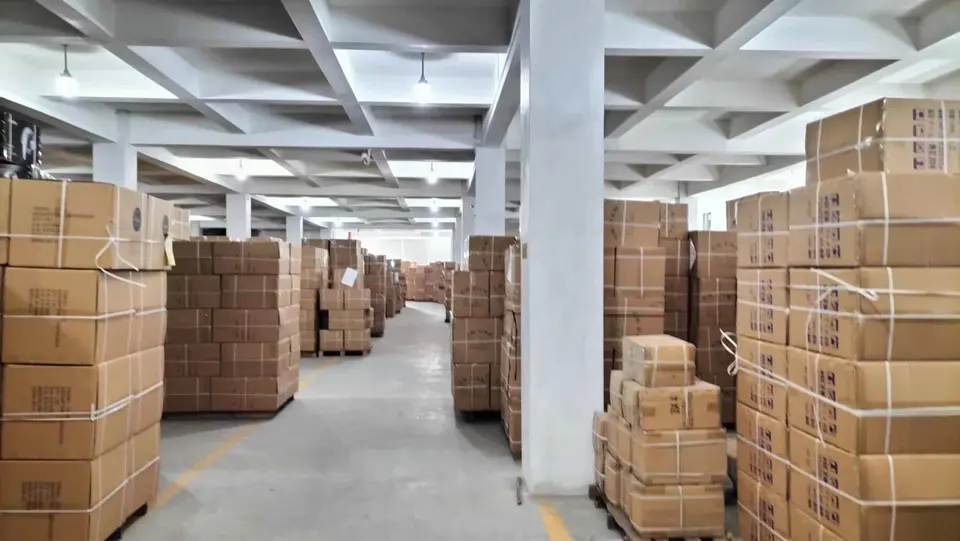
- 최대 CBM 컨테이너 적재 최적화: 당사의 포장 엔지니어들은 컨테이너 적재 밀도를 극대화할 수 있도록 내부 마스터 카톤을 설계합니다. 적재 효율이 높아지면 운송되는 컨테이너 수가 줄어들어, 단위당 탄소 배출량을 직접적으로 감소시키고 전 세계 주요 항구로의 FOB/CIF 운송 비용을 절감할 수 있습니다.
결론: 지속 가능한 공급망 성공을 위해 Linkton과 협력하세요
지속 가능한 조리도구 제품군을 구축하려면 국제 규제 준수, 소재 공학, 친환경 포장에 대한 이해가 깊은 신뢰할 수 있는 제조 파트너가 필요합니다.
친환경 스테인리스 스틸 냄비로 구성된 자체 브랜드 라인을 출시하든, 인증받은 인덕션용 압력솥으로 소매 상품 구색을 확대하든, Linkton 귀사의 브랜드가 성장할 수 있도록 직접적인 OEM/ODM 지원을 제공합니다.
지속 가능한 조리도구 제품군을 출시할 준비가 되셨나요?
신뢰할 수 있는 주요 제조업체와 협력하여 귀사의 친환경 전략을 한 단계 높여보세요.
저희의도매용 압력솥 및 조리도구 제품군 또는 지금 바로 Linkton OEM 팀에 문의하세요 귀사의 사업용 자재 안전 인증, 공장 감사 및 맞춤형 견적을 요청하세요!