



The main difference in a 60 kPa vs 100 kPa pressure cooker comparison is how each setting affects cooking temperature and texture. The lower 60 kPa setting gives you more room to control doneness when ingredients soften quickly. The higher 100 kPa setting raises the boiling point of water and can shorten the time needed at pressure for tougher ingredients.
Линктон offers both settings on three adjustable pressure cookers: the LT-TY, LT-XFKH, и LT-XN. The three models share the same pressure settings but differ in capacity and lid operation. For importers, distributors, and retail brands, those differences help determine which model fits their range.
What Do 60 kPa and 100 kPa Mean in a Pressure Cooker?
On these models, 60 kPa and 100 kPa refer to two operating pressure settings. A kilopascal, or kPa, is a unit of pressure. Operating pressure describes the pressure used for cooking. It is separate from the pressure at which a safety device activates and from the vessel’s maximum pressure rating.
As the pressure inside the cooker rises, so does the boiling point of water. This is why the higher setting can help soften some ingredients in less time at pressure. If you compare specifications across brands, check whether the published numbers are gauge pressure, measured relative to the surrounding air, or absolute pressure, measured from a vacuum. Compare figures that use the same reference.
When Should You Choose 60 kPa or 100 kPa?
The setting depends on the ingredient and the result you want. The examples below explain why you might choose each setting; use the instructions and recipes for your cooker for actual cooking times.
| What to compare | 60 kPa: Lower setting | 100 kPa: Higher setting |
|---|---|---|
| Cooking goal | Control doneness when ingredients soften quickly. | Soften ingredients that generally need longer cooking. |
| Typical example | Vegetables you want to keep slightly firm. | Tougher cuts of meat for stews or braises. |
| Time at pressure | Choose based on the recipe and desired texture. | May be shorter for the same ingredient and target texture. |
When comparing speed, separate time at pressure from total cooking time. The total also includes the time it takes to reach and release pressure. A 40 kPa difference does not translate into a fixed percentage of time saved.
What Benefits Does Dual-Pressure Technology Bring to Pressure Cooker Distributors?
After understanding the differences between 60 kPa and 100 kPa, the next consideration is how this feature fits into a pressure cooker product range. A single-pressure model may suit an entry-level product line with straightforward operation and a defined price position. A dual-pressure cooker, however, offers two selectable working pressure levels within one appliance, giving consumers greater flexibility across different cooking requirements.
For importers and distributors, adding a dual-pressure model is not simply about offering another pressure cooker. It creates a functional upgrade within an existing product category. Retailers can demonstrate the difference between the two settings through practical cooking examples, while distributors can position the model as an option for customers who want more control over their cooking process.
When evaluating a dual-pressure cooker for wholesale purchasing, buyers should look beyond the pressure values themselves. The pressure adjustment mechanism, lid-locking structure, pressure indication system, available capacities, and overall operating experience all contribute to the product’s market positioning. These details also determine how easily a sales team can explain the product’s advantages to potential customers.
How Does Linkton Integrate Dual-Pressure Control into Its Pressure Cooker Design?
The effectiveness of dual-pressure technology depends on more than providing two pressure settings. The adjustment mechanism, pressure-limiting components, and lid-safety structure must work together to support controlled operation. Линктон incorporates these functions into its регулируемая скороварка designs, with the LT-TY serving as a practical example.
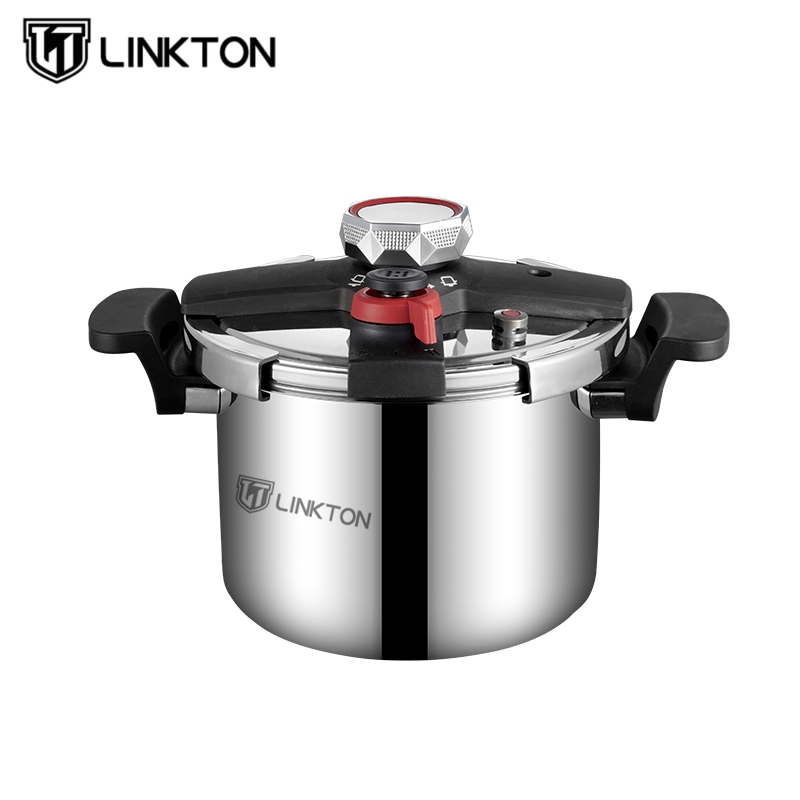
Rotary Pressure Selector: The LT-TY features a two-position rotary control knob, allowing users to select between 60 kPa and 100 kPa according to their cooking requirements. This provides a direct and accessible way to switch between the two working pressure settings without changing cookware.

Push-Pull Lid Locking Mechanism: The push-pull locking structure is designed for straightforward operation: push to lock and pull to open. It helps secure the lid during cooking and reduces the possibility of incorrect operation, making the cooker easier to handle in everyday use.

Automatic Red-Dot Pressure Indicator: The red-dot valve provides a visible indication of the pressure state inside the cooker and supports automatic steam release. This gives users a more intuitive way to monitor the cooker during operation and helps them identify when internal pressure has not yet been fully released.

These components serve different but complementary purposes: the rotary knob selects the working pressure, the pressure-limiting components manage pressure and steam release, and the lid-locking and red-dot indicator systems support operational safety. Together, they turn the two-pressure concept into a practical product design rather than just a specification printed on the packaging.
For wholesale buyers, this integrated design makes the LT-TY easier to evaluate as a complete product. Its 4 L, 5 L, and 6 L capacity options also allow distributors to consider different household sizes and retail requirements when developing their pressure cooker range.
How to Choose the Right Linkton Dual-Pressure Cooker for Your Market?
All three Линктон регулируемая скороварка models support 60 kPa and 100 kPa dual-pressure settings, but they feature different capacities, lid mechanisms, and structural configurations. These differences give importers and distributors more options when selecting products for their target markets.
| Model | Pressure Settings | Вместимость | Key Design Features |
|---|---|---|---|
| LT-TY | 60 / 100 kPa | 4 L / 5 L / 6 L | Rotary pressure selector, push-pull locking lid, automatic red-dot valve |
| LT-XFKH | 60 / 100 kPa | 4 L / 6.5 L / 8 L | SUS304 stainless steel, one-handed opening and locking, six-level safety protection |
| LT-XN | 60 / 100 kPa | 4 L / 6 L / 8 L | SUS304 stainless steel, 3-ply capsule bottom, gear-driven rotating lid, dual handles |


Each model serves a different product configuration requirement.
LT-TY – A Practical Dual-Pressure Design
With a rotary pressure selector and push-pull locking lid, the LT-TY offers a straightforward operating structure. Its 4 L, 5 L, and 6 L options provide a practical capacity range for distributors developing conventional household pressure cooker collections.
LT-XFKH – Convenient One-Handed Operation
The LT-XFKH combines SUS304 stainless steel construction with a one-handed opening and locking mechanism. Its 4 L, 6.5 L, and 8 L options provide greater flexibility when developing a range for different household sizes. The six-level safety protection system is another feature buyers can highlight when presenting the product.
LT-XN – Advanced Structural Configuration
The LT-XN features a SUS304 stainless steel body, a 3-ply capsule bottom, and a gear-driven rotating lid that enables one-handed operation. Combined with its dual-handle design and five-level safety protection, it offers a different structural configuration for buyers seeking more advanced product features.
Rather than selecting a model based on pressure settings alone, buyers should compare the capacity range, lid operation, material, and construction against their intended retail positioning. Линктон provides these three configurations under one dual-pressure product range, making it easier for distributors to develop a differentiated product portfolio.
What Should Importers Check Before Placing a Wholesale Order for Dual-Pressure Cookers?
For wholesale buyers, selecting the right model is only the first step. Product consistency, sample approval, customization requirements, and production arrangements also influence the success of a bulk order. Working with Линктон allows buyers to discuss these details directly with the manufacturer before confirming production.
1. Confirm the Complete Product Specifications
Before requesting a quotation, specify the model, capacity, 60/100 kPa pressure settings, stainless steel grade, lid structure, accessories, and applicable heat sources. This helps ensure that the quoted product matches your actual purchasing requirements rather than relying on a general product description.
2. Approve Samples Before Mass Production
A sample allows buyers to evaluate more than the appearance of a pressure cooker. Check the pressure selector, lid locking and opening operation, pressure indicator, sealing ring, valve components, surface finish, and overall assembly. For dual-pressure models, make sure both working pressure settings are clearly specified and confirmed during sample evaluation.
3. Clarify MOQ and Production Lead Time
Linkton lists a minimum order quantity of 300 units for standard pressure cooker models, while customized OEM/ODM models generally start at 2,000 шт., depending on the product structure and customization requirements.
Standard model samples are available at cost price, with the sample fee deductible after order confirmation. Customized projects may involve additional sample and tooling costs. The typical production lead time is approximately 7–40 days, depending on order quantity, model, customization, and production scheduling.
4. Define Quality Standards for Repeat Orders
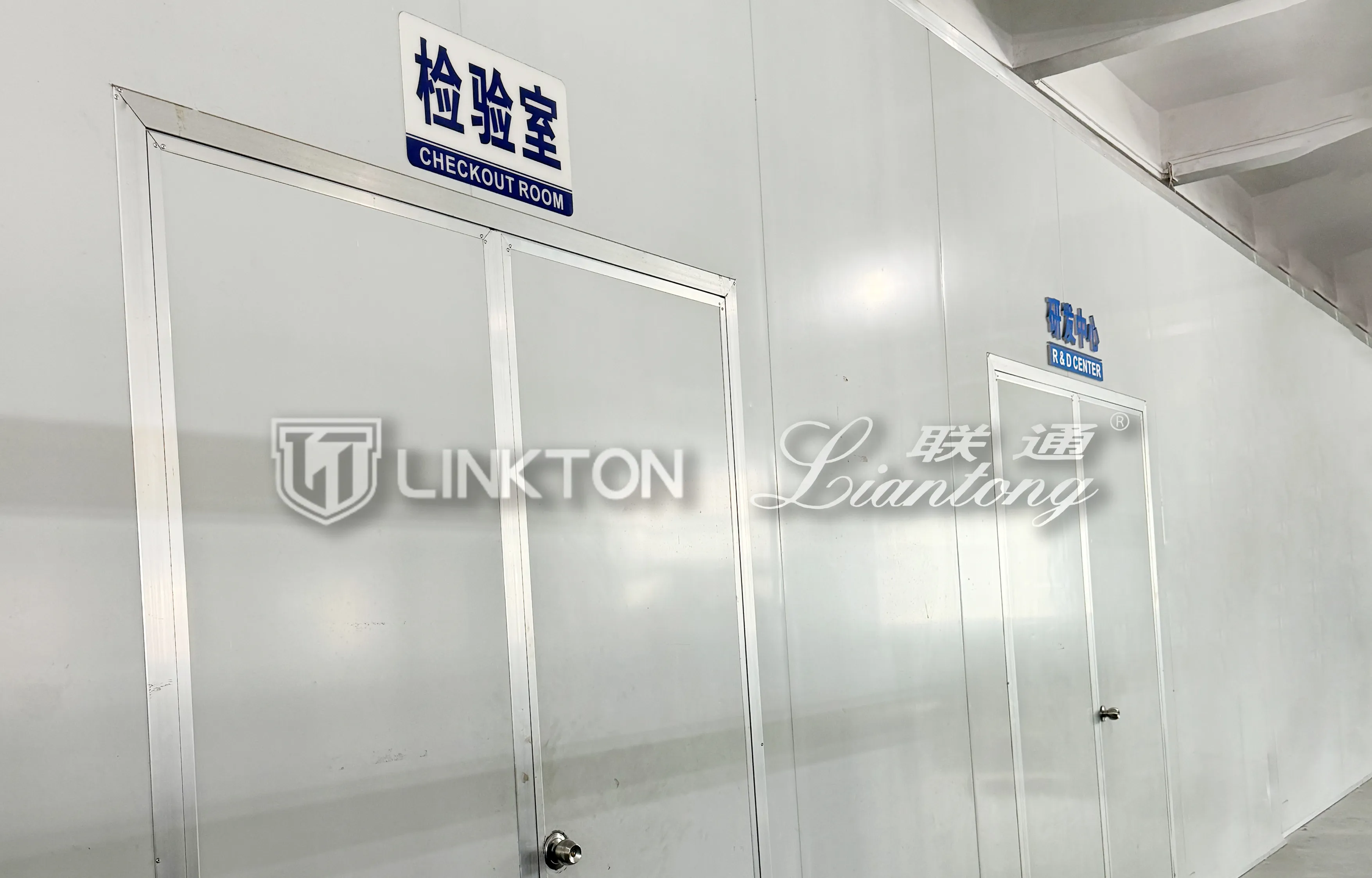
Once the sample is approved, record the agreed specifications as the reference for mass production and future reorders. Линктон‘s Pressure Cooker Quality Control process covers raw material inspection, production process checks, accessory testing, finished-product sealing and pressure testing, valve operation checks, and packaging inspection.
For distributors planning long-term cooperation, establishing consistent acceptance requirements helps reduce differences between the approved sample and subsequent production batches.
5. Coordinate Private Label and Packaging Requirements
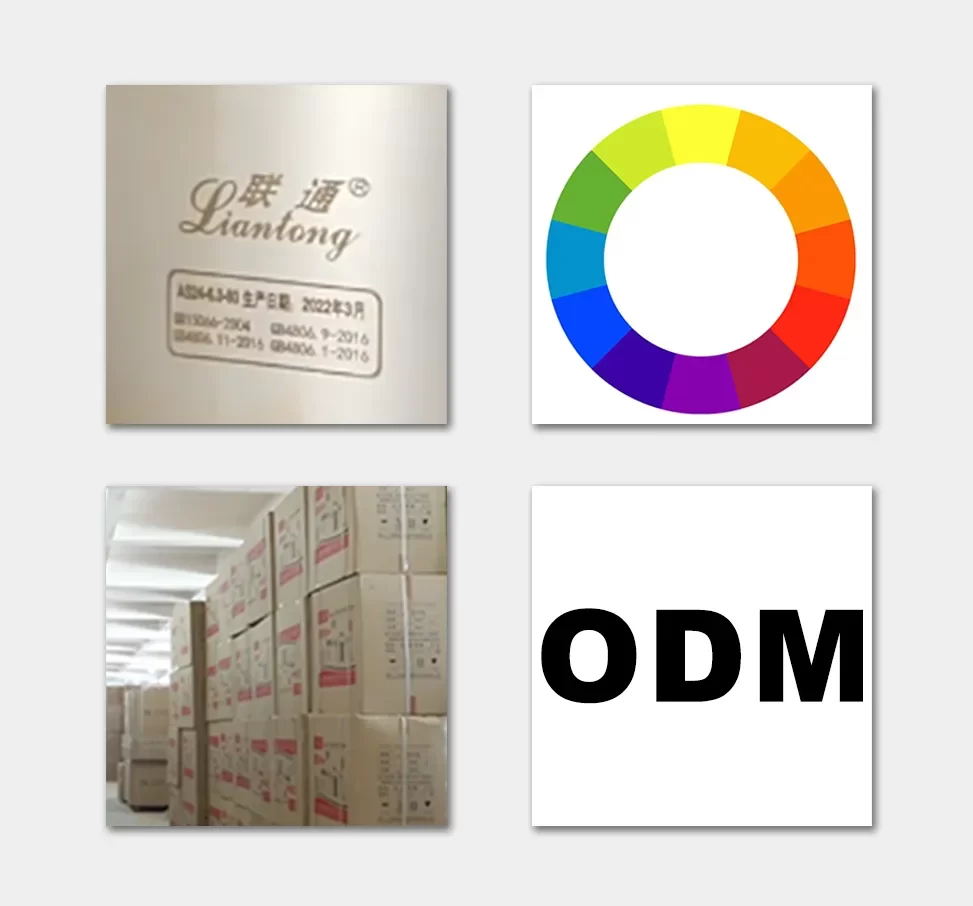
For brands and distributors developing their own product lines, Линктон supports OEM pressure cooker customization options including laser-engraved logos, product colors, handle and accessory colors, retail packaging, multilingual instructions, and selected structural modifications.
Buyers can discuss these requirements during sample approval so that the product appearance, brand presentation, and packaging specifications are aligned before mass production.

Frequently Asked Questions About Dual-Pressure Cookers
Q1. Do all Linkton dual-pressure cooker models support 60 kPa and 100 kPa?
Yes. The LT-TY, LT-XFKH, and LT-XN all support two selectable working pressure settings: 60 kPa and 100 kPa. They differ in capacity, lid operation, and structural configuration.
Q2. Can I order different models and capacities in one wholesale order?
You can submit your preferred models, capacities, and quantities to Linkton for quotation. The factory will confirm the applicable MOQ and production arrangements for your specific order.
Q3. Does Linkton support OEM and private-label pressure cookers?
Yes. Linkton supports OEM/ODM cooperation, including logo engraving, packaging design, color customization, and selected structural development for brands and distributors.
Q4. Can I request samples before placing a bulk order?
Yes. Standard models can be sampled before mass production. Buyers can evaluate the product’s construction, operating mechanism, and overall quality before confirming a wholesale order.
Build Your Wholesale Dual-Pressure Cooker Range with Linkton
Choosing a dual-pressure cooker involves more than comparing 60 kPa and 100 kPa. The right combination of pressure control, product structure, capacity, and operating design determines how well a model fits your target market.
В качестве профессиональный производитель скороварок, Линктон offers three dual-pressure models with different structural configurations, alongside sample evaluation, OEM/ODM Pressure Cooker Customization, quality inspection, and bulk supply support.
Whether you are expanding an existing cookware range or developing a private-label pressure cooker collection, Линктон can help you evaluate suitable models and coordinate the requirements for your order.
Связаться с Линктоном today to request product specifications, samples, and a wholesale quotation for your market.